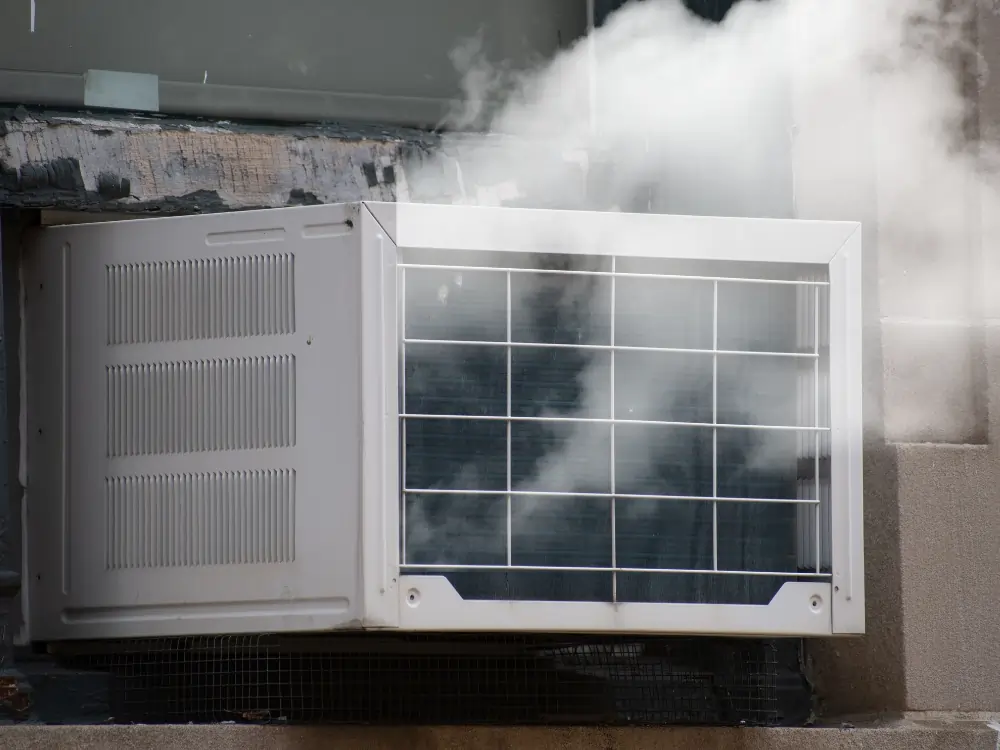
A burning smell coming from your HVAC system can be alarming, especially when you’re unsure if it’s normal or a sign of something dangerous. Many homeowners search “burning smell from HVAC” or “heater smells like burning” when unusual odors appear during system operation.
Some burning smells are harmless and temporary, while others signal serious electrical or mechanical problems. Knowing the difference helps homeowners respond correctly and avoid unnecessary damage—or safety risks.
In certain situations, a mild burning smell can be normal. For example, when a heating system is turned on for the first time in months, dust on internal components may burn off briefly.
However, persistent or strong burning smells are never normal and should always be investigated.
At the start of the heating season, dust may accumulate on burners, heat exchangers, or heating elements. When the system runs, this dust burns off and creates a temporary odor.
This smell should:
If it continues, there’s likely another issue.
Clogged air filters restrict airflow, causing the system to overheat. Overheating components can produce a burning smell as materials heat beyond normal levels.
Replacing air filters regularly helps prevent overheating odors.
Burning smells that resemble melting plastic or hot wiring often indicate electrical issues. Possible causes include:
Electrical smells should be treated as urgent.
When the blower motor works harder than it should—often due to airflow restrictions—it can overheat and emit a burning odor.
Motor overheating can quickly lead to system failure if ignored.
Occasionally, debris, insulation, or small objects may fall into the HVAC system. When these materials contact hot components, they can burn and create strong odors.
This is more common in older systems or units with damaged seals.
As HVAC components age, friction increases. Bearings, belts, or motors may overheat and produce a burning smell as they wear down.
Mechanical wear often worsens rapidly once odors appear.
In rare cases, burning smells may originate from ductwork—especially if ducts pull in air from attics or wall cavities where wiring or insulation is overheating.
Duct inspections help rule out these hidden issues.
Ignoring a burning smell can lead to:
Burning odors are one of the most important warning signs an HVAC system can give.
If your HVAC system smells like it’s burning:
Safety should always come first.
Routine HVAC maintenance includes inspecting electrical connections, cleaning components, and testing airflow. Maintenance helps prevent overheating and identifies worn parts before they fail.
Well-maintained systems operate more safely and reliably.
You should schedule professional service if:
Professional diagnostics ensure safe and accurate repairs.

If your HVAC system smells like it’s burning, TX Air Mechanics can help identify the cause and restore safe operation. Scheduling professional HVAC service or requesting a free second opinion with TX Air Mechanics ensures your system is evaluated thoroughly and addressed correctly.