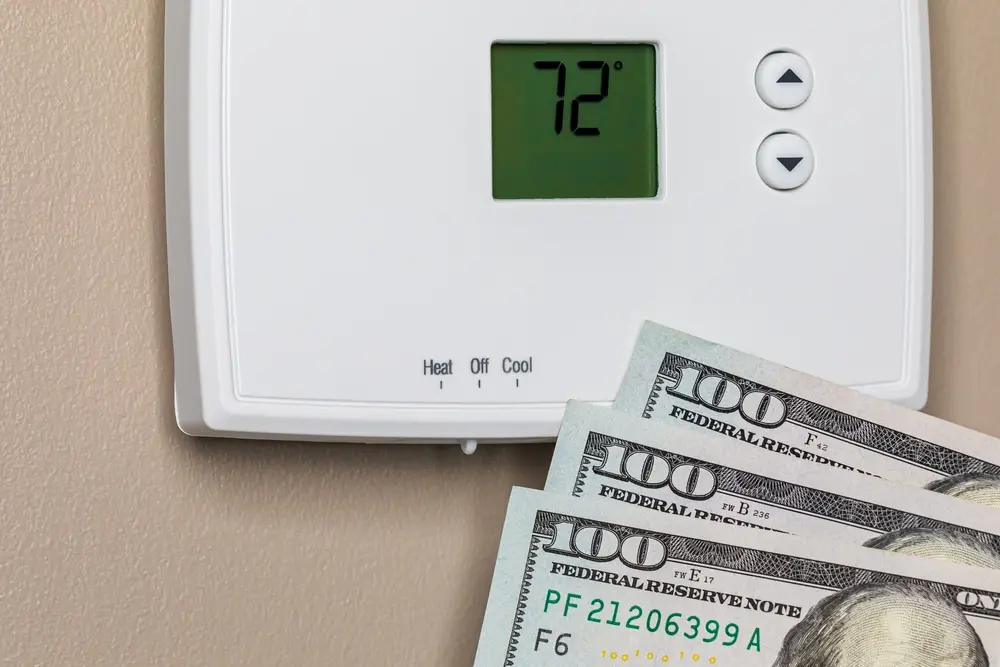
It’s frustrating when your heating system is running, but your home never quite reaches the temperature you set on the thermostat. Many homeowners search “why isn’t my heating system reaching set temperature?” when their home feels chilly despite the system working nonstop.
This issue often points to efficiency problems, airflow restrictions, or mechanical issues that require professional heating repair. Understanding the causes can help homeowners take action before comfort and energy costs get worse.
When your heating system runs continuously without reaching the desired temperature, it’s a sign the system is struggling to keep up with demand. This can happen gradually or suddenly, depending on the underlying issue.
Ignoring the problem often leads to higher energy bills, uneven comfort, and premature system wear.
One of the most common reasons a heating system can’t reach the set temperature is restricted airflow caused by dirty air filters. When airflow is limited, warm air can’t circulate effectively throughout the home.
Replacing air filters regularly helps:
Dirty filters are a frequent cause of heating performance issues.
If the thermostat isn’t calibrated correctly or isn’t reading indoor temperatures accurately, it may shut the system off too early or fail to signal for enough heat.
Thermostat issues may include:
A professional inspection can determine whether the thermostat is contributing to the problem.
Leaky or blocked ductwork can prevent heated air from reaching certain areas of the home. When warm air escapes through gaps or poorly insulated ducts, the system has to run longer to compensate.
Duct issues often result in:
Professional heating repair and duct inspection help restore proper airflow.
Short cycling occurs when the system turns on and off too frequently. This prevents it from running long enough to heat the home properly.
Short cycling may be caused by:
Short cycling always puts extra strain on the system and should be addressed promptly.
As heating systems age, efficiency naturally declines. Older systems may struggle to maintain comfortable temperatures, especially during colder weather.
If your system is more than 10–15 years old, difficulty reaching the set temperature may signal the need for professional evaluation or heating repair.
Even if your heating system is working properly, poor insulation or air leaks can prevent your home from retaining heat. Warm air escapes through gaps around windows, doors, and attics, making it harder to reach the desired temperature.
Addressing insulation issues helps improve comfort and reduce strain on your heating system.
When a heating system can’t reach the set temperature, it often leads to:
What starts as a comfort issue can quickly turn into a costly repair if ignored.
Routine HVAC maintenance helps ensure your heating system operates efficiently. Maintenance services include:
Homeowners who schedule regular maintenance experience more consistent heating and fewer performance issues.
You should schedule professional heating repair if:
A trained HVAC technician can diagnose the cause and recommend the right solution.

If your heating system isn’t reaching the set temperature, professional heating repair can help restore proper performance and comfort. Scheduling service or requesting a free second opinion ensures your system is evaluated accurately and ready to keep your home warm.