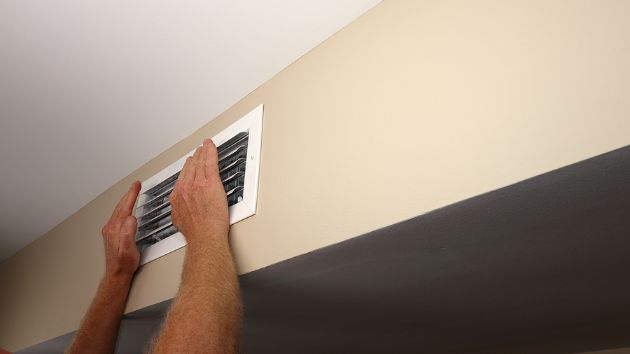
If some rooms in your home feel uncomfortable or your HVAC system seems to run constantly without delivering strong airflow, weak airflow may be the issue. Many homeowners search “why is there weak airflow from my vents?” when comfort drops and energy bills rise.
Weak airflow is more than a comfort issue—it often signals underlying HVAC or ductwork problems that should be addressed early. Understanding the most common causes helps homeowners take the right next steps before performance worsens.
Airflow is essential for heating and cooling efficiency. Even if your HVAC system is producing warm or cool air, poor airflow prevents that air from reaching living spaces effectively.
When airflow is weak, the system works harder, increasing wear, energy usage, and the risk of breakdowns.
The most common cause of weak airflow is a dirty air filter. When filters become clogged with dust and debris, air cannot move freely through the system.
Dirty filters can cause:
Replacing air filters regularly is one of the easiest ways to restore airflow.
Furniture, rugs, or closed registers can restrict airflow to certain rooms. Even partially blocked vents reduce overall system performance.
Ensuring vents are open and unobstructed helps improve airflow throughout the home.
Leaky or damaged ductwork allows air to escape before reaching vents. This results in weak airflow and uneven temperatures—even when the HVAC system is running normally.
Duct leaks are a hidden but common cause of airflow loss.
Dust and debris can accumulate on evaporator coils and blower components, restricting airflow and reducing system efficiency.
Professional cleaning helps restore proper airflow and prevent system strain.
If ductwork is undersized or poorly designed, it may not be able to deliver sufficient airflow to all areas of the home. This is especially common in older homes or after renovations.
Airflow testing helps identify design-related issues.
The blower motor is responsible for pushing air through the system. If it’s worn or failing, airflow will be weak or inconsistent.
Blower motor issues typically require professional HVAC repair.
Frozen coils restrict airflow entirely. Ice buildup often occurs due to dirty filters, low refrigerant levels, or airflow restrictions.
If ice is visible, the system should be turned off and inspected.
Ignoring weak airflow can lead to:
Weak airflow often worsens over time if not addressed.
If airflow feels weak:
Early action helps prevent more serious issues.
Routine HVAC maintenance includes airflow testing, filter checks, and component inspections. Maintenance helps identify airflow restrictions before they impact comfort or efficiency.
Homes with regular maintenance experience fewer airflow-related issues.
You should schedule professional HVAC service if:
Professional diagnostics ensure the root cause is fixed correctly.
TX Air Mechanics provides honest HVAC diagnostics designed to identify airflow and ductwork issues quickly and accurately. Our focus is restoring comfort—not selling unnecessary services.

If you’re experiencing weak airflow from your vents, TX Air Mechanics can help identify the cause and restore proper air circulation in your home. Scheduling professional HVAC service or requesting a free second opinion with TX Air Mechanics ensures your system is evaluated thoroughly and optimized for reliable comfort.