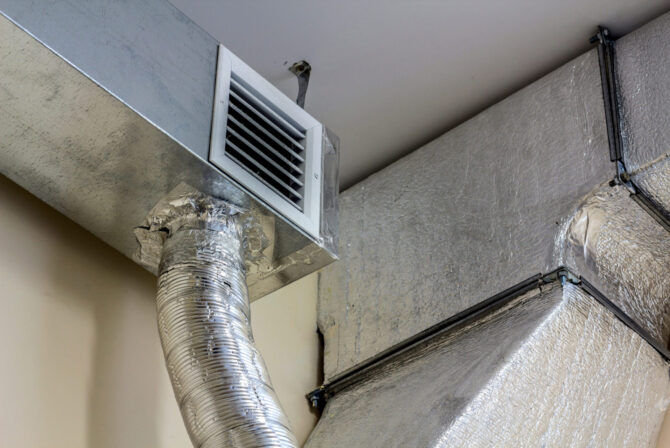
Weak airflow from HVAC vents is a frustrating issue that affects comfort, efficiency, and indoor air quality. Many homeowners search “why is there little air coming from my vents?” when certain rooms never feel comfortable or the system seems to run nonstop.
Poor airflow is almost always a sign of an underlying HVAC or ductwork issue. Understanding the most common causes helps homeowners address the problem early and prevent more serious system damage.
Airflow is how heated or cooled air reaches your living space. Even if your HVAC system is producing the right temperature, weak airflow prevents comfort and forces the system to work harder.
Restricted airflow leads to higher energy bills and increased wear.
One of the most common causes of weak airflow is a clogged air filter. When filters are dirty, air cannot move freely through the system.
Replacing air filters regularly often improves airflow immediately.
Furniture, rugs, or closed vents restrict airflow into rooms. Even partial blockages reduce the amount of conditioned air reaching the space.
All vents should remain open for balanced airflow.
Air escaping through leaks or disconnected ducts never reaches your vents. This is especially common in attics or crawl spaces.
Duct leaks significantly reduce airflow and efficiency.
Older ductwork may sag, collapse, or become crushed, limiting airflow. Damaged ducts restrict air movement to certain areas.
Professional inspection helps identify hidden duct damage.
The blower motor pushes air through the HVAC system. If it’s worn or failing, airflow from vents will be weak.
Blower motor issues often worsen quickly if ignored.
Dust-covered coils reduce heat transfer and airflow. As buildup increases, airflow continues to decline.
Routine HVAC maintenance helps keep coils clean.
An improperly sized HVAC system may struggle to deliver adequate airflow—especially in larger homes or additions.
Proper sizing ensures consistent air delivery.
Ignoring weak airflow can lead to:
Airflow problems rarely fix themselves.
If airflow from vents is weak:
Early action prevents long-term damage.
Routine HVAC maintenance includes airflow testing, blower inspection, and duct evaluation. Maintenance helps restore proper air delivery and system efficiency.
Maintained systems provide stronger, more consistent airflow.
You should schedule HVAC service if:
Professional diagnostics identify the true cause.
TX Air Mechanics provides honest HVAC diagnostics designed to identify airflow problems and restore consistent comfort. Our team focuses on long-term solutions—not quick fixes.

If there’s little air coming from your vents, TX Air Mechanics can help identify the cause and restore proper airflow. Scheduling professional HVAC service or requesting a free second opinion with TX Air Mechanics ensures your system is evaluated thoroughly and corrected the right way.