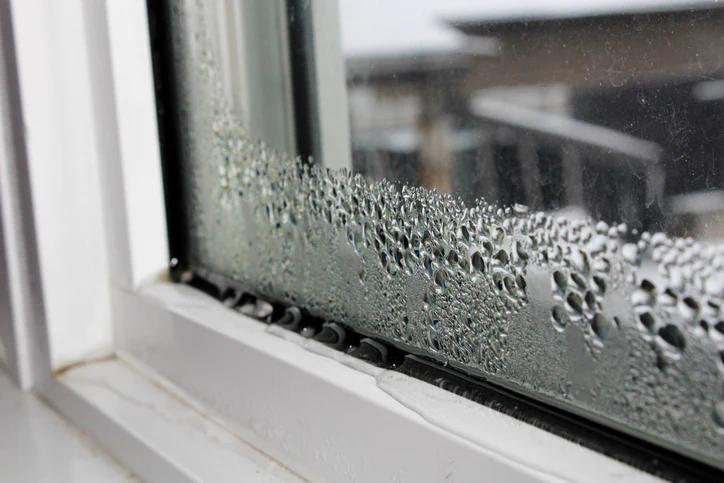
If your skin feels dry, your throat feels scratchy, or static electricity seems constant, dry indoor air may be the cause. Many homeowners search “why is the air in my home so dry?” when comfort issues and health symptoms become noticeable—especially during heating season.
Dry indoor air is often connected to HVAC system operation, humidity control, or airflow issues. Understanding what causes dry air helps homeowners improve comfort and protect indoor air quality.
Indoor air loses moisture when heated or circulated repeatedly without proper humidity control. HVAC systems play a major role in how moisture moves through the home.
Dry air is more common during colder months, but it can occur year-round depending on system performance.
Furnaces and heating systems warm the air but do not add moisture. As air heats up, relative humidity drops, making the home feel dry.
This is one of the most common causes of dry indoor air.
Many HVAC systems operate without dedicated humidity control solutions. Without a way to regulate moisture levels, air can become overly dry—especially during extended heating cycles.
Humidity control helps maintain balanced indoor comfort.
Gaps around doors, windows, and ductwork allow dry outdoor air to enter the home. This reduces indoor humidity and forces the HVAC system to work harder.
Sealing air leaks helps retain moisture and improve efficiency.
If your HVAC system runs frequently or continuously, moisture is removed faster than it can be replenished. This leads to dry air and discomfort.
System runtime should be balanced with humidity needs.
Restricted airflow caused by dirty filters or duct issues can disrupt normal humidity balance. Poor airflow affects how moisture is distributed throughout the home.
Routine HVAC maintenance helps maintain balanced airflow.
Dry air often goes hand-in-hand with poor indoor air quality. Dust, allergens, and dry air combine to worsen respiratory discomfort and irritation.
Improving indoor air quality helps support healthier breathing.
Dry indoor air can cause:
Balanced humidity improves both comfort and well-being.
Professional HVAC service may include:
These services help restore healthy moisture levels.
Indoor air quality solutions help regulate humidity and reduce airborne irritants. Balanced humidity supports comfort while protecting HVAC components from excess dryness.
Healthy air improves overall home comfort.
You should schedule HVAC service if:
Professional evaluation helps identify the cause.
TX Air Mechanics provides honest indoor air quality evaluations designed to improve humidity balance and overall comfort. Our approach focuses on practical solutions—not temporary fixes.

If the air in your home feels too dry, TX Air Mechanics can help identify the cause and improve indoor comfort. Scheduling professional HVAC service or requesting a free second opinion with TX Air Mechanics ensures your system is evaluated thoroughly and optimized for healthier air.