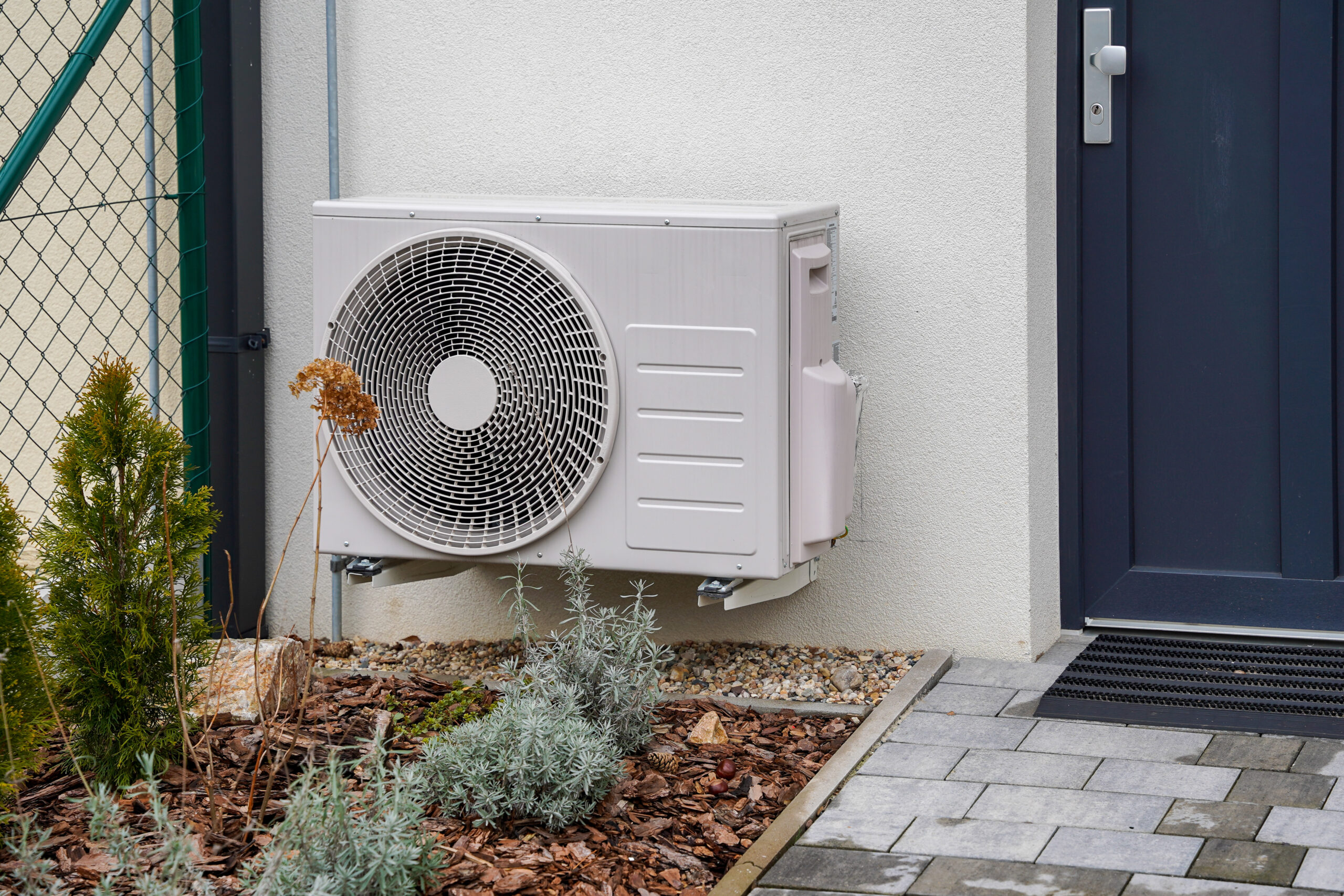
If your HVAC system has suddenly become loud or disruptive, it’s a problem that shouldn’t be ignored. Many homeowners search “why is my HVAC system so loud?” when they hear banging, rattling, buzzing, or roaring sounds during operation.
An HVAC system should run relatively quietly. Excessive noise often signals airflow issues, loose components, or mechanical wear that requires professional attention. Understanding the most common causes helps homeowners address the issue before it leads to breakdowns.
Unusual or loud noises typically mean something inside the system isn’t functioning as intended. Over time, noise-related issues often worsen and lead to reduced efficiency or component failure.
Ignoring HVAC noise can result in:
Early diagnosis helps prevent major damage.
Rattling or vibrating noises are often caused by loose panels, screws, or internal parts. As systems age, vibration can cause components to loosen.
While loose panels may be minor, internal loose components should be inspected professionally.
The blower motor moves air through your HVAC system. If it’s worn, dirty, or failing, it can produce loud humming, grinding, or squealing noises.
Blower issues often affect airflow and comfort in addition to noise.
When airflow is restricted due to dirty filters or blocked vents, the system may sound louder as it struggles to move air.
Restricted airflow increases system strain and noise levels.
Popping, banging, or whistling sounds may come from ductwork rather than the HVAC unit itself. These noises are often caused by:
Duct inspections help identify noise-related airflow issues.
Buzzing or clicking noises may indicate electrical issues such as failing relays, contactors, or capacitors.
Electrical noise should always be inspected by trained HVAC professionals.
Loud buzzing, grinding, or roaring from the outdoor unit may point to compressor strain or fan problems.
Outdoor unit noise often worsens if ignored and can lead to major system failure.
Ignoring excessive HVAC noise can lead to:
Noise is often an early symptom of a larger problem.
If your HVAC system is loud:
Avoid attempting internal repairs without training.
Routine HVAC maintenance includes tightening components, cleaning parts, and inspecting airflow. Maintenance helps prevent many noise-related problems before they start.
Homes with regular maintenance experience quieter, more reliable system operation.
You should schedule professional HVAC repair if:
Professional diagnostics ensure the root cause is addressed safely.
TX Air Mechanics provides honest HVAC diagnostics designed to identify the cause of excessive noise and restore quiet, efficient operation. Our focus is long-term performance—not temporary fixes.

If your HVAC system is loud or making unusual noises, TX Air Mechanics can help identify the issue and restore quiet, reliable comfort. Scheduling professional HVAC service or requesting a free second opinion with TX Air Mechanics ensures your system is evaluated thoroughly and repaired the right way.