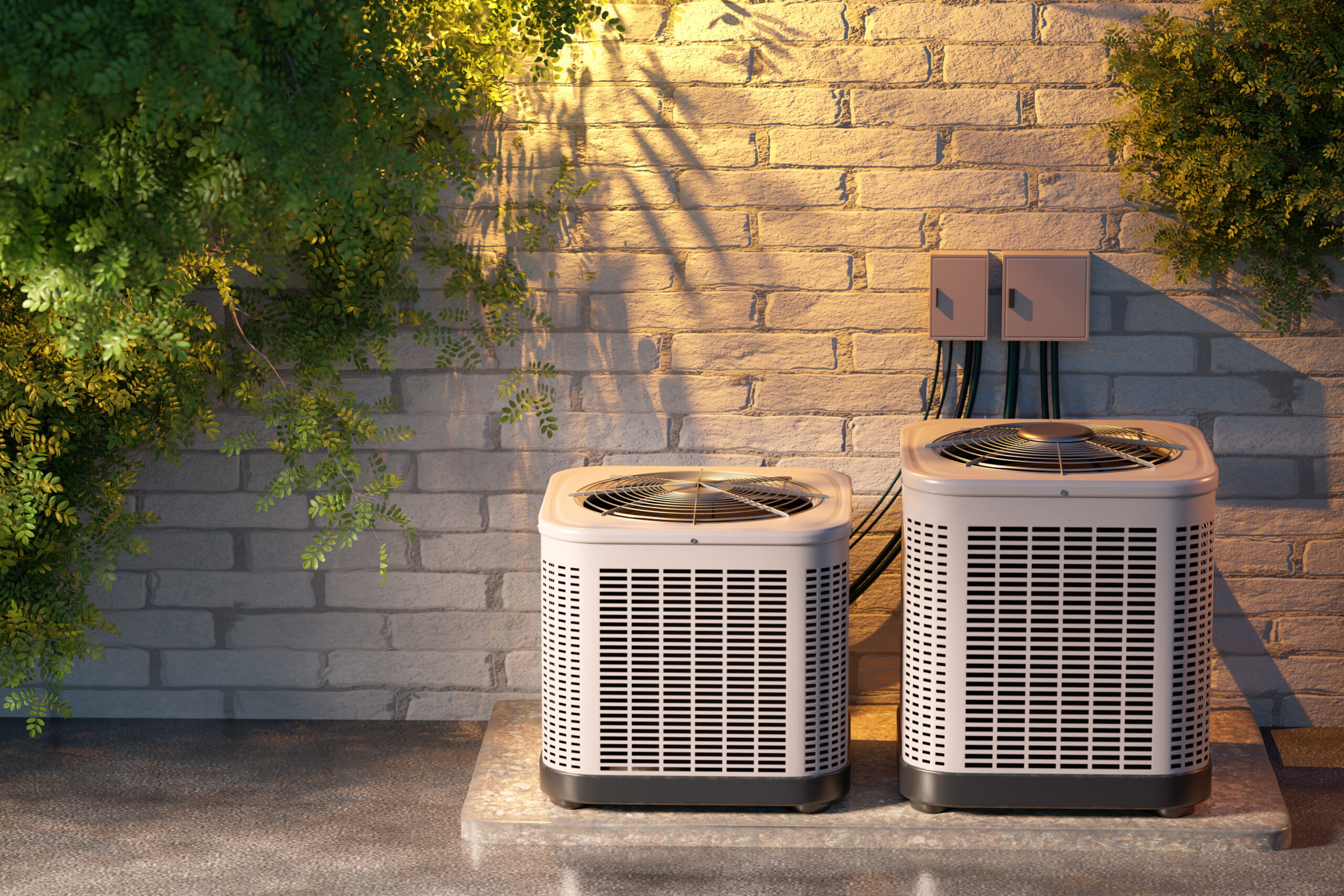
If your heating system keeps turning on and off in short bursts, you’re likely dealing with a problem known as short cycling. Many homeowners search “why is my heating system short cycling?” when they notice inconsistent warmth, rising energy bills, or frequent system restarts.
Short cycling is more than just annoying—it’s a sign your heating system isn’t operating correctly. Understanding the causes can help you act quickly and prevent long-term damage.
Short cycling occurs when your heating system turns on, runs briefly, shuts off, and then turns back on again before completing a full heating cycle. This pattern puts unnecessary strain on the system and prevents your home from reaching a comfortable, consistent temperature.
Over time, short cycling can lead to increased wear, reduced efficiency, and unexpected breakdowns.
One of the most common causes of heating system short cycling is restricted airflow. Dirty air filters limit the amount of air moving through the system, causing it to overheat and shut down prematurely.
Replacing air filters regularly helps:
This simple step often resolves short cycling early.
If your thermostat is placed near a heat source or is malfunctioning, it may misread indoor temperatures. When this happens, the system may shut off too soon and restart repeatedly.
Thermostat issues are a frequent reason homeowners experience heating system short cycling and should be checked during professional service.
When a furnace overheats, safety controls shut the system down to prevent damage. Once it cools, it restarts—leading to short cycling.
Overheating is often caused by airflow problems, dirty components, or internal mechanical issues that require professional heating repair.
A heating system that’s too large for the home heats the space too quickly, causing frequent shutdowns. While this may sound efficient, it actually leads to short cycling and uneven comfort.
System sizing issues are typically identified during professional HVAC evaluations.
Closed or blocked vents restrict airflow and cause pressure imbalances within the system. This can trigger overheating and frequent shutdowns.
Ensuring vents remain open and unobstructed helps support proper system operation.
Ignoring short cycling can lead to:
Short cycling should always be addressed sooner rather than later.
Routine HVAC maintenance helps identify issues that cause short cycling before they escalate. Maintenance services include:
Homeowners who schedule regular maintenance experience fewer heating problems and more reliable performance.
You should schedule professional heating repair if:
A trained technician can diagnose the root cause and restore proper operation.
Heating systems involve electrical, mechanical, and safety components that require expert handling. Professional heating repair ensures the problem is fixed correctly—not just temporarily masked.
TX Air Mechanics provides honest heating repair services designed to restore efficiency, comfort, and system reliability—without unnecessary upselling.

If your heating system keeps turning on and off, professional heating repair can help identify the cause and prevent further damage. Scheduling service or requesting a free second opinion helps ensure your system runs efficiently and keeps your home comfortable all season long.