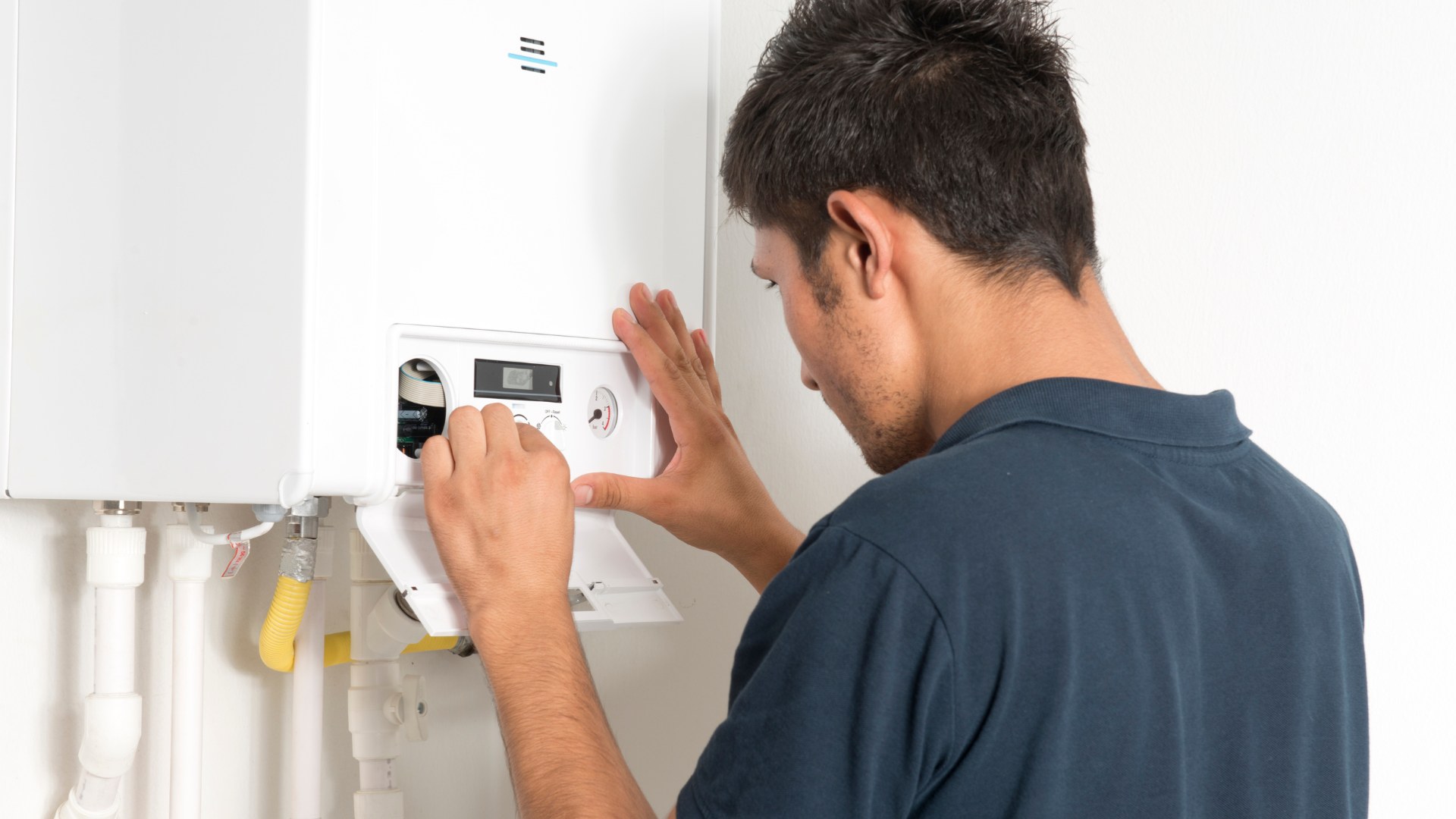
Hearing loud or unusual noises coming from your furnace can be concerning—especially during colder months when your heating system is working hardest. Many homeowners search “why is my furnace making a loud noise?” when they notice banging, rattling, squealing, or humming sounds coming from their system.
While some furnace noises are harmless, others can signal mechanical problems that require professional heating repair. Understanding the most common furnace noises helps homeowners know when to act.
A furnace should operate relatively quietly. Loud or new noises often indicate loose components, airflow problems, or mechanical wear.
Ignoring furnace noises can lead to:
Early attention helps prevent more serious damage.
Banging sounds often occur when ignition is delayed in gas furnaces. Gas builds up before igniting, causing a small explosion sound.
This issue can be caused by:
Delayed ignition should be addressed by a professional immediately.
Rattling noises often indicate loose panels, screws, or internal components. Over time, normal furnace operation can cause parts to loosen.
While loose panels may be minor, internal rattling can signal deeper mechanical issues.
High-pitched squealing sounds usually point to belt or motor issues. Worn belts or failing motor bearings create friction, resulting in loud squeals.
These components may require adjustment or replacement to prevent motor damage.
A low humming or buzzing noise can be normal during operation, but loud or persistent buzzing often signals electrical issues.
Possible causes include:
Electrical issues should always be inspected by trained HVAC professionals.
Whistling noises are commonly caused by restricted airflow. Dirty air filters, closed vents, or duct issues force air through small openings, creating high-pitched sounds.
Replacing filters and improving airflow often reduces whistling.
Clicking sounds may occur when the furnace starts or shuts down. However, repeated clicking can indicate ignition or control board issues.
Persistent clicking should be inspected to prevent heating interruptions.
Loud noises are often early indicators of mechanical wear or system stress. Addressing the cause early helps:
What starts as a small noise can turn into a major breakdown if ignored.
If your furnace is making loud noises:
Avoid attempting internal repairs without training.
Routine HVAC maintenance helps identify worn components, airflow problems, and electrical issues before they cause loud noises.
Maintenance improves performance and reduces unexpected heating issues.
You should schedule professional heating repair if:
A trained technician can diagnose the issue and recommend the correct solution.
TX Air Mechanics provides honest furnace diagnostics and heating repair services designed to restore quiet, reliable operation. Our focus is identifying the real cause—not pushing unnecessary replacements.

If your furnace is making loud or unusual noises, TX Air Mechanics can help diagnose the issue and restore dependable heating in your home. Scheduling professional heating service or requesting a free second opinion with TX Air Mechanics ensures your system is evaluated thoroughly and repaired the right way.