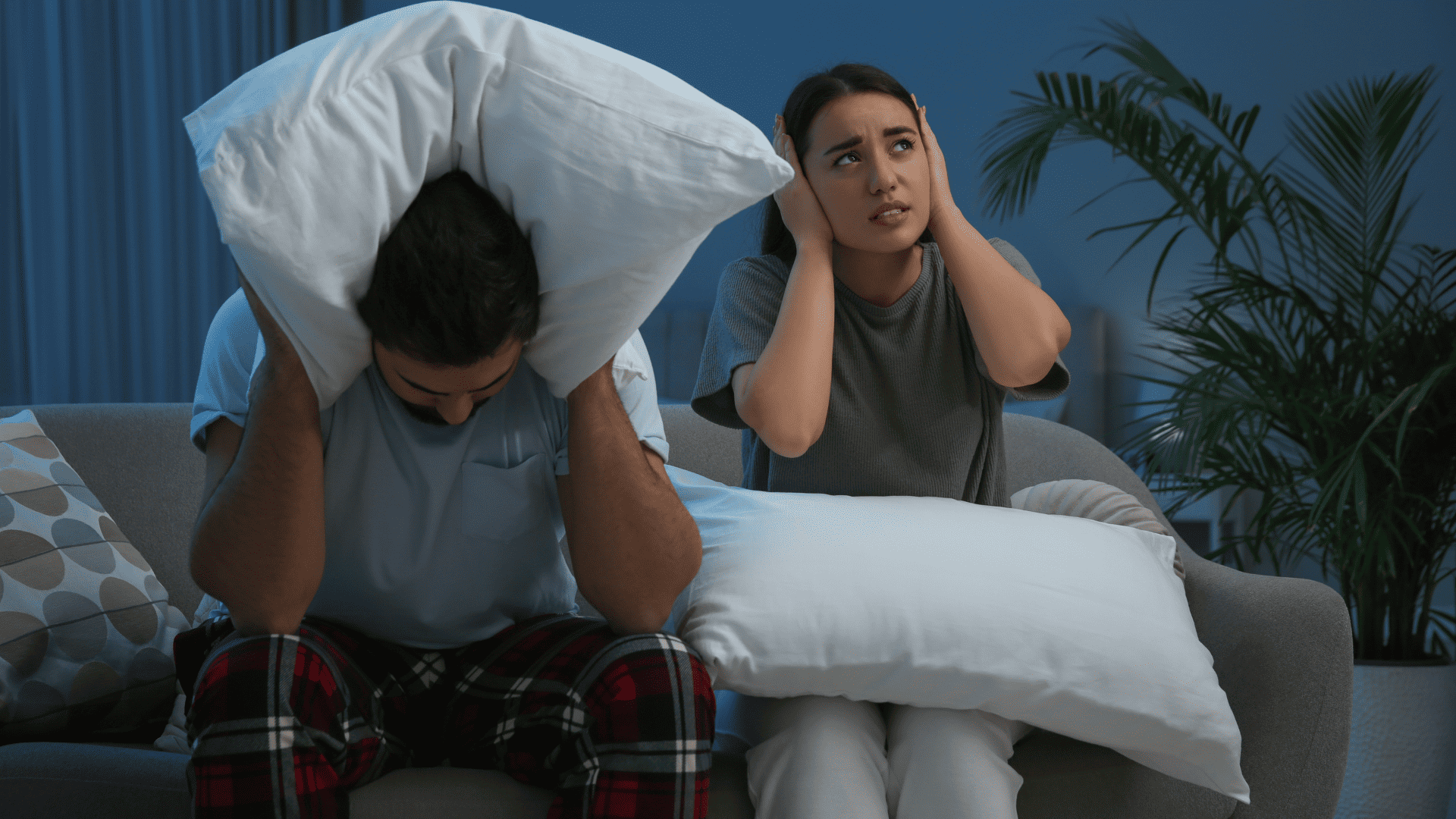
If you hear clicking noises coming from your furnace, it can be unsettling—especially if the sound is new or happening frequently. Many homeowners search “why is my furnace making a clicking noise?” when they notice repeated clicks during startup, operation, or shutdown.
Some clicking noises are normal, but persistent or loud clicking often signals a mechanical or electrical issue. Understanding the difference helps homeowners know when to monitor the sound and when to schedule professional heating service.
Not all clicking sounds indicate a problem. Some normal clicking noises include:
These sounds are typically brief and not repetitive.
Repeated or loud clicking noises often point to issues that require attention. If clicking happens constantly or is accompanied by performance issues, it shouldn’t be ignored.
Persistent clicking usually means a component is struggling or failing.
Clicking during startup may indicate the ignition system is attempting to light but failing repeatedly. This can be caused by:
Ignition problems should always be inspected professionally.
The flame sensor ensures burners stay lit. If it’s dirty or malfunctioning, the furnace may click as it tries to ignite repeatedly before shutting down.
Flame sensor issues are common and often repairable.
Electrical relays and control boards regulate furnace operation. When these components fail or wear out, they may produce clicking sounds during operation.
Electrical issues require professional diagnosis for safety.
A malfunctioning thermostat or wiring issue can cause clicking as the furnace receives inconsistent signals.
Thermostat issues often mimic furnace problems.
Loose panels or internal parts can click as the furnace vibrates during operation. Over time, vibration can loosen screws and brackets.
Loose internal components should be secured professionally.
The gas valve controls fuel flow to the furnace. Clicking noises from the gas valve area may indicate delayed opening or closing.
Gas-related issues should always be treated seriously.
Ignoring clicking noises can lead to:
Early diagnosis helps prevent costly repairs and safety concerns.
If your furnace is clicking:
Avoid attempting internal furnace repairs yourself.
Routine HVAC maintenance includes inspecting ignition components, testing electrical connections, and tightening loose parts. Maintenance helps identify issues early and keeps furnaces running quietly and efficiently.
You should schedule professional heating repair if:
Professional diagnostics ensure safe and accurate repairs.
TX Air Mechanics provides honest furnace diagnostics and heating repair services designed to identify clicking noises and restore reliable, safe operation. Our focus is long-term performance—not guesswork.

If your furnace is making clicking noises, TX Air Mechanics can help identify the cause and restore quiet, dependable heating. Scheduling professional heating service or requesting a free second opinion with TX Air Mechanics ensures your system is evaluated thoroughly and repaired the right way.