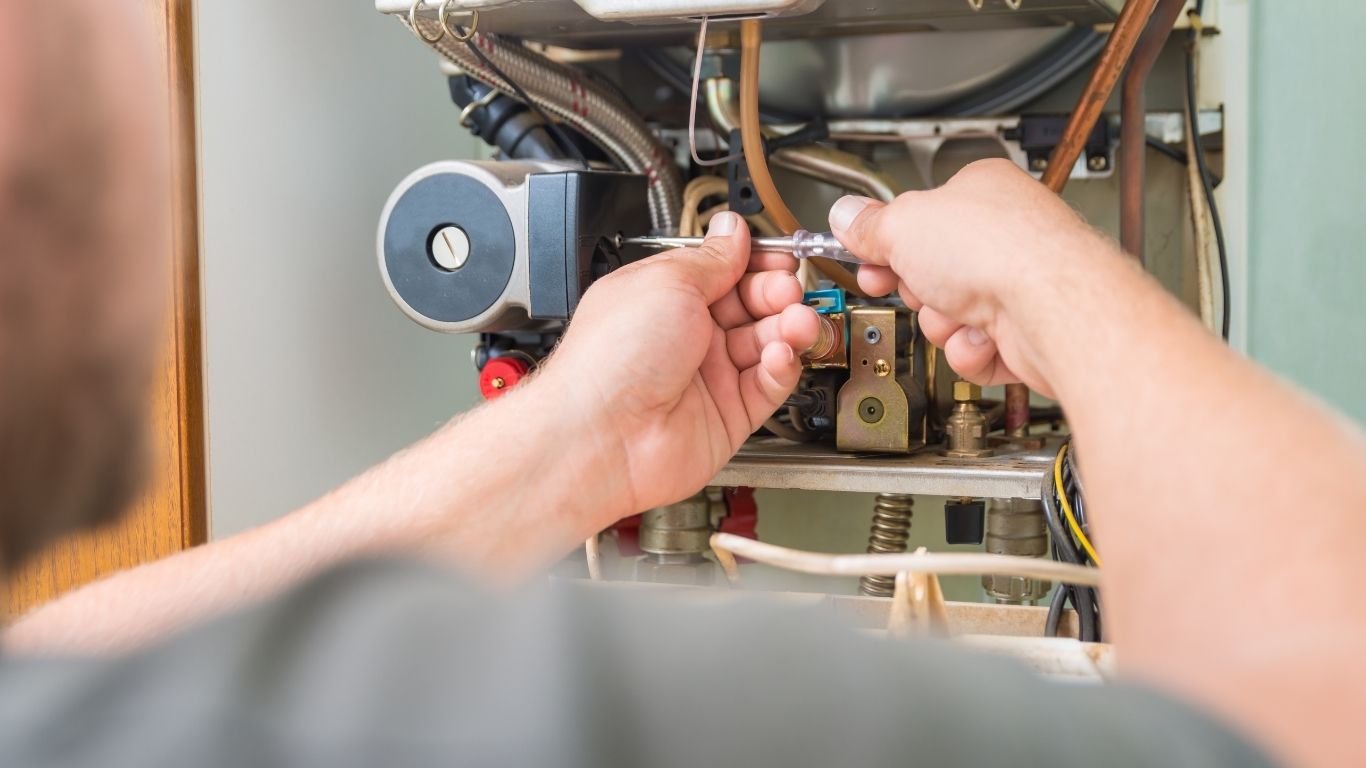
If your furnace is running but blowing cold or lukewarm air, it can be confusing and uncomfortable—especially during colder weather. Many homeowners search “why is my furnace blowing cold air?” when their home won’t warm up even though the system is on.
A furnace blowing cold air is often a sign of airflow issues, ignition problems, or safety shutdowns. Understanding the most common causes helps homeowners know when a simple fix is enough and when professional heating service is needed.
In some cases, brief bursts of cool air can be normal—especially when the system first turns on. The blower may start before the heat exchanger warms up.
However, if cold air continues for several minutes or longer, there’s likely an issue that needs attention.
One of the most common causes is incorrect thermostat settings. If the fan is set to “ON” instead of “AUTO,” the blower will run continuously—even when the furnace isn’t heating.
Setting the fan to “AUTO” ensures air only blows when heat is being produced.
Dirty or clogged air filters restrict airflow, causing the furnace to overheat and shut down the burners. The blower may continue running, pushing cool air through the vents.
Replacing air filters regularly helps prevent overheating and cold air issues.
If the pilot light goes out or the ignition system fails, the furnace won’t produce heat—even though the blower continues to run.
Ignition issues should always be inspected by a professional for safety.
When a furnace overheats, built-in safety controls shut off the burners to prevent damage. The blower may continue running to cool the system, resulting in cold air from vents.
Overheating is often caused by airflow restrictions or dirty components.
The flame sensor ensures burners stay lit. If it’s dirty or malfunctioning, the furnace may shut off the burners shortly after ignition.
A faulty flame sensor is a common and repairable issue.
Leaks or disconnected ducts can allow heated air to escape before reaching living spaces. What reaches the vents may feel cool or lukewarm.
Duct inspections help identify hidden airflow losses.
As furnaces age, internal components may fail or operate inconsistently. Older systems are more likely to experience cold air issues due to wear and inefficiency.
Professional evaluation helps determine whether repair or replacement makes sense.
Ignoring this issue can lead to:
Early diagnosis helps prevent more serious problems.
If your furnace is blowing cold air:
Avoid attempting internal furnace repairs yourself.
Routine HVAC maintenance includes cleaning burners, inspecting sensors, and checking airflow. Maintenance helps keep furnaces operating safely and efficiently.
Homes with regular maintenance experience fewer heating disruptions.
You should schedule professional heating repair if:
Professional diagnostics ensure safe, accurate repairs.
TX Air Mechanics provides honest furnace diagnostics and heating repair services designed to restore reliable warmth and safe operation. Our focus is long-term comfort—not quick fixes.

If your furnace is blowing cold air instead of heat, TX Air Mechanics can help identify the issue and restore dependable heating in your home. Scheduling professional heating service or requesting a free second opinion with TX Air Mechanics ensures your system is evaluated thoroughly and repaired the right way.