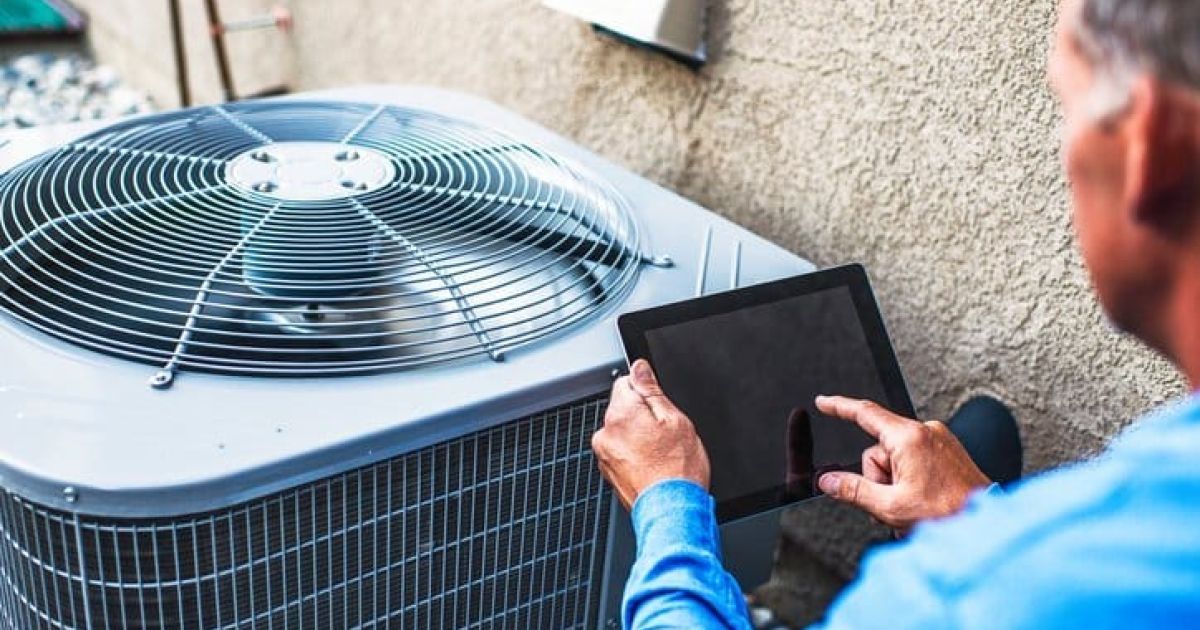
A whistling noise coming from your air conditioner can be annoying—and concerning—especially if it’s new or getting louder. Many homeowners search “why is my AC making a whistling noise?” when airflow sounds change or comfort levels start to drop.
Whistling noises are usually related to airflow restrictions, duct issues, or pressure imbalances within the HVAC system. Understanding the most common causes helps homeowners address the problem early and avoid more serious system damage.
A whistling sound typically occurs when air is being forced through a space that’s too small or restricted. This creates high-pressure airflow that produces a sharp or steady whistle.
While it may seem minor, whistling often points to underlying airflow problems.
One of the most common causes of a whistling AC is a dirty air filter. When filters are clogged, air is forced through limited openings, creating a whistling sound.
Replacing air filters regularly helps restore normal airflow and eliminate noise.
Closing vents in unused rooms can increase air pressure in the duct system. This pressure buildup forces air through smaller gaps, producing a whistling noise.
Keeping vents open helps maintain balanced airflow.
Small gaps or cracks in ductwork can cause air to escape at high speed, creating a whistling or hissing sound.
Duct leaks are a common cause of airflow noise and energy loss.
If ductwork is undersized or poorly designed, air struggles to move freely through the system. Restricted ducts often cause whistling noises at vents or within walls.
Duct design plays a major role in system comfort and noise levels.
Excessive air pressure can develop when airflow is restricted or the system is improperly balanced. High pressure forces air through vents aggressively, producing a whistling sound.
Pressure imbalances often worsen over time.
Loose vent covers or grilles can vibrate or whistle as air passes through them. Even minor misalignment can create noticeable noise.
Securing vent covers often resolves this issue quickly.
If the blower motor is pushing air too forcefully due to a control or airflow issue, whistling noises may occur throughout the system.
Blower problems typically require professional HVAC service.
Ignoring whistling noises can lead to:
Airflow issues often escalate if left unresolved.
If your AC is making a whistling noise:
Early action helps prevent further damage.
Routine HVAC maintenance includes inspecting filters, testing airflow, and checking duct connections. Maintenance helps restore balanced airflow and reduce noise.
Well-maintained systems operate more quietly and efficiently.
You should schedule HVAC service if:
Professional diagnostics identify airflow restrictions accurately.
TX Air Mechanics provides honest HVAC diagnostics designed to identify airflow and noise issues at the source. Our team focuses on proper airflow, comfort, and long-term system performance.

If your AC is making a whistling noise, TX Air Mechanics can help identify the cause and restore quiet, balanced airflow. Scheduling professional HVAC service or requesting a free second opinion with TX Air Mechanics ensures your system is evaluated thoroughly and corrected the right way.