Many homeowners notice their HVAC system doesn’t perform as well as it once did. Rooms take longer to heat or cool, energy bills creep up, and comfort becomes inconsistent. This often leads to searches like “why do HVAC systems lose efficiency over time?”
Efficiency loss is common—but it isn’t always unavoidable. Understanding why HVAC systems lose efficiency helps homeowners take the right steps to restore performance and avoid unnecessary replacements.
HVAC efficiency refers to how effectively your system converts energy into heating or cooling. When systems operate efficiently, they use less energy to maintain comfort. As efficiency declines, systems require more energy to produce the same results.
Efficiency loss usually happens gradually, making it harder to notice until performance drops significantly.
Over time, HVAC components naturally wear down. Motors, belts, bearings, and electrical parts experience stress with every heating and cooling cycle.
As components wear:
Routine HVAC maintenance helps slow wear and preserve efficiency.
Dirty filters restrict airflow, forcing your system to work harder to circulate air. Restricted airflow is one of the most common causes of efficiency loss.
Replacing filters regularly helps:
Neglected filters can significantly impact performance over time.
Evaporator and condenser coils transfer heat during cooling and heating cycles. When these coils become dirty, heat transfer becomes less effective.
Dirty coils cause:
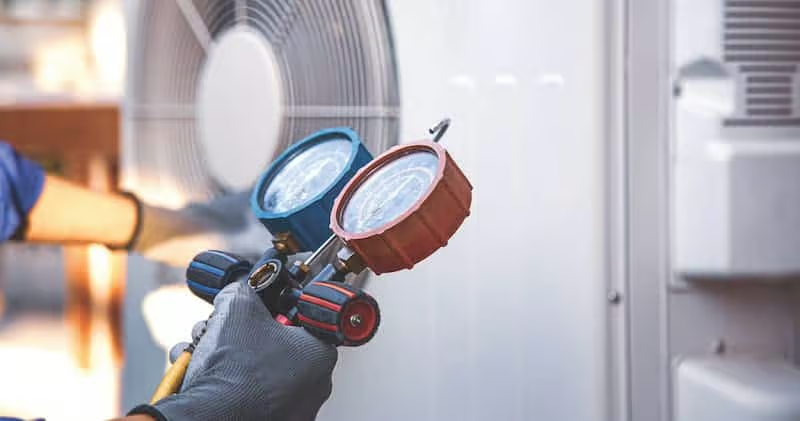
Professional cleaning during HVAC maintenance helps restore proper heat exchange.
Low refrigerant levels or leaks reduce your system’s ability to absorb and release heat. This causes the system to run longer cycles and consume more energy.
Refrigerant issues always require professional HVAC repair and can significantly impact efficiency if left unresolved.
Leaky or poorly insulated ductwork allows conditioned air to escape before reaching living spaces. This forces your HVAC system to compensate by running longer.
Duct losses are a hidden cause of efficiency decline in many homes.
Older HVAC systems were built to meet efficiency standards of their time. As technology advances, newer systems offer improved efficiency, better airflow control, and more precise temperature regulation.
Even well-maintained older systems may lose efficiency compared to modern equipment.
HVAC systems that miss routine maintenance lose efficiency faster than systems that receive regular service. Small issues compound over time, leading to noticeable performance decline.
Regular HVAC maintenance helps:
Maintenance is one of the most effective ways to preserve efficiency.
When HVAC systems lose efficiency, homeowners experience:
Efficiency loss often signals the need for professional evaluation.
Professional HVAC service addresses efficiency loss by:
These steps help restore performance and reduce energy usage.
If efficiency continues to decline despite maintenance, a professional evaluation can help determine whether repair or replacement is the best option.
Factors include:
An honest evaluation helps homeowners make informed decisions.
Efficiency loss often involves multiple factors working together. Professional HVAC technicians diagnose the full system rather than addressing symptoms alone.
TX Air Mechanics provides honest HVAC service and evaluations designed to restore efficiency, improve comfort, and protect long-term system performance—without unnecessary upselling.

If your HVAC system isn’t as efficient as it used to be, professional HVAC service can help identify the cause and restore performance. Scheduling service or requesting a free second opinion helps protect your comfort and reduce energy costs over time.