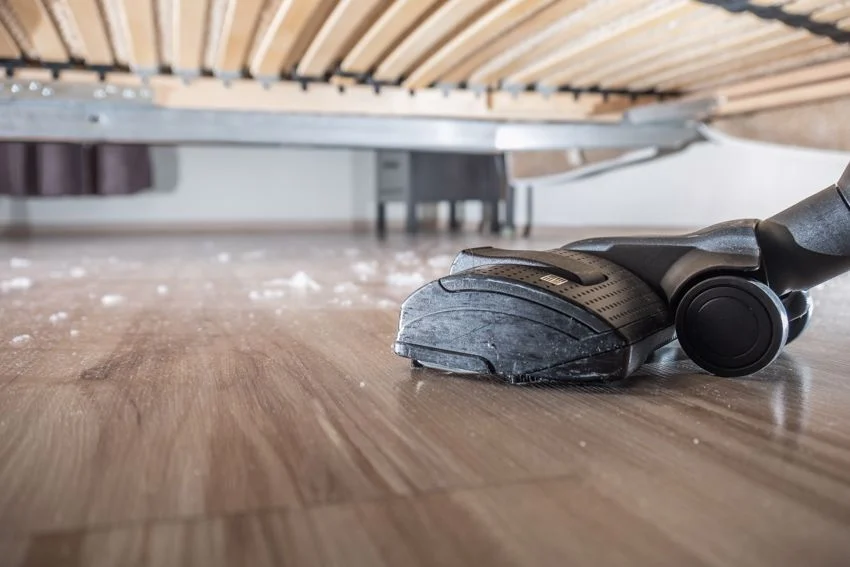
If it feels like dust returns to your home shortly after cleaning, you’re not imagining it. Many homeowners search “why does my house feel dusty all the time?” when surfaces quickly collect dust, air feels stale, or allergy symptoms worsen indoors.
Excessive dust is often linked to HVAC system issues, airflow problems, or indoor air quality concerns. Understanding where dust comes from helps homeowners address the root cause—not just the symptom.
Dust is made up of many small particles, including:
Your HVAC system circulates air throughout the home, which means dust can easily spread if filtration or airflow isn’t working properly.
If dust returns quickly after cleaning, it usually means particles are constantly being reintroduced into the air. This often points to an underlying air quality or HVAC-related issue.
Persistent dust should be investigated rather than ignored.
Air filters are designed to trap dust and airborne particles. When filters are dirty, low quality, or improperly sized, they allow dust to pass through the system and circulate throughout the home.
Replacing filters regularly helps reduce airborne dust and improve indoor air quality.
Leaky ductwork can pull dust and debris from attics, crawl spaces, or wall cavities into your HVAC system. This dust is then distributed through vents into living spaces.
Duct leaks are one of the most common causes of excessive indoor dust.
Without regular HVAC maintenance, dust builds up on internal components such as blower motors and coils. As air moves across these dirty surfaces, dust is released into the airflow.
Routine maintenance helps keep internal components clean and reduces dust circulation.
Some HVAC systems use basic filters that don’t capture fine particles effectively. Homes with pets, allergies, or high dust levels may require upgraded filtration or indoor air quality solutions.
Improved filtration helps trap more particles before they circulate.
Gaps around doors and windows allow outdoor dust and debris to enter the home. This dust then gets pulled into the HVAC system and spread throughout the house.
Sealing air leaks helps reduce dust intrusion and improves energy efficiency.
Over time, dust accumulates inside ductwork—especially in older homes. If ducts have never been inspected, buildup may contribute to ongoing dust problems.
A professional duct inspection helps determine whether cleaning or repairs are needed.
Excessive dust can:
Improving indoor air quality helps create a healthier, more comfortable living environment.
Professional HVAC service may include:
These steps help reduce dust at the source.
Indoor air quality solutions work alongside HVAC systems to remove airborne particles and improve air cleanliness. These solutions help prevent dust from constantly circulating through the home.
Clean air supports better health and comfort.
TX Air Mechanics provides honest indoor air quality evaluations designed to identify dust sources and improve air cleanliness throughout the home. Our approach focuses on real solutions—not temporary fixes.

If your home feels dusty no matter how often you clean, TX Air Mechanics can help identify the cause and improve your indoor air quality. Scheduling professional HVAC service or requesting a free second opinion with TX Air Mechanics ensures your system is evaluated thoroughly and optimized for cleaner, healthier air.