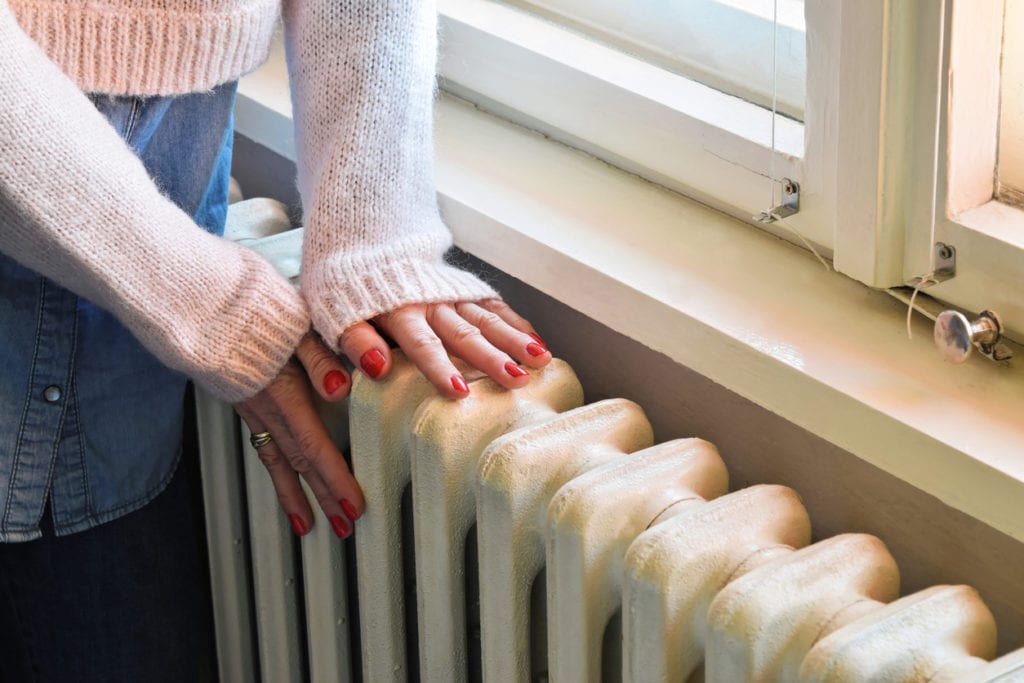
If you turn on your heating system and notice a burning dust smell, you’re not alone. Many homeowners search “why does my heating system smell like burning dust?” when they first start using their heater after months of inactivity.
In some cases, this smell is completely normal. In others, it can signal a problem that needs professional heating repair. Knowing the difference helps protect your comfort, safety, and system performance.
During warmer months, dust naturally settles on heating components like burners, heat exchangers, and ductwork. When the heating system turns on for the first time, this dust burns off, producing a noticeable smell.
This is especially common:
A light burning dust smell is usually normal if:
In these cases, the smell is simply dust burning off the system components.
A burning dust smell should not be ignored if:
Persistent or intense odors often indicate issues that require professional heating repair.
If the smell doesn’t go away, common causes may include:
These issues can reduce efficiency and pose safety risks if left unaddressed.
Clogged air filters restrict airflow, causing components to overheat and produce burning smells. Restricted airflow also forces the system to work harder, increasing wear and energy usage.
Replacing air filters regularly helps:
If the smell resembles burning plastic or electrical components, the system should be turned off immediately. Electrical issues can involve wiring, motors, or control boards and require professional inspection.
Electrical odors are never normal and should be addressed right away.
Ignoring burning smells can lead to:
What starts as a minor issue can escalate quickly without proper attention.
Routine HVAC maintenance helps prevent odor issues by:
Homeowners who schedule regular maintenance experience fewer heating issues and more reliable performance.
You should schedule professional heating repair if:
A trained technician can identify the cause and ensure safe operation.

If your heating system smells like burning dust and the odor doesn’t go away, professional heating repair can help identify the issue and restore safe, reliable operation. Scheduling service or requesting a free second opinion ensures your system is ready to keep your home comfortable all season long.