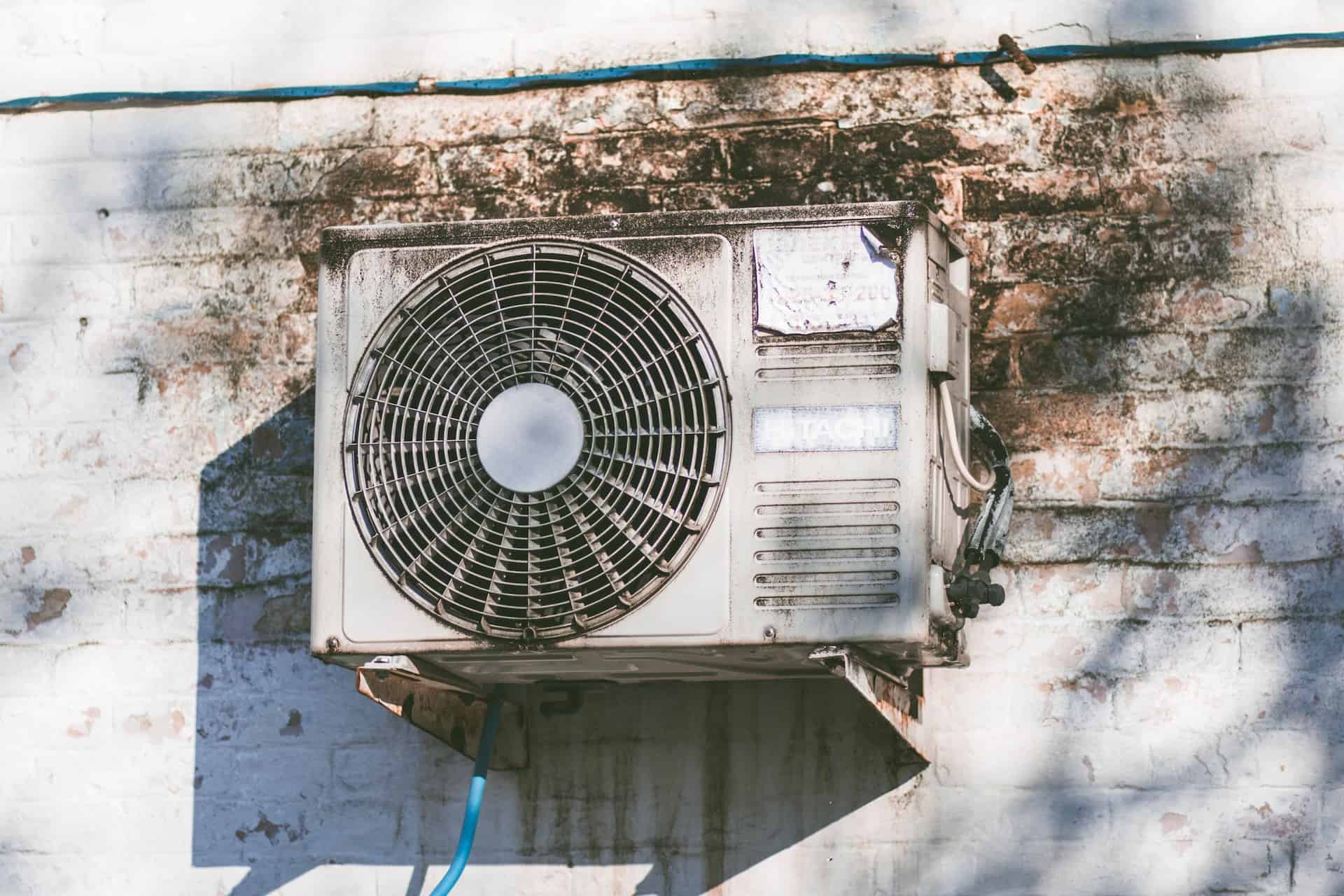
A musty smell coming from your air conditioner is never a good sign. Many homeowners search “why does my AC smell musty?” as soon as they notice an odor spreading through their home—especially when the system first turns on.
That smell often indicates moisture buildup, mold growth, or airflow issues inside your HVAC system. Understanding what causes a musty AC smell can help you take action early and prevent larger problems.
A musty odor usually means moisture is lingering somewhere inside the system. When moisture combines with dust and debris, it creates the perfect environment for mold and mildew growth.
This smell often becomes more noticeable when the AC starts running after being off for a while.
One of the most common causes of a musty AC smell is mold growth on the evaporator coils. These coils remove humidity from the air, and if moisture doesn’t drain properly, mold can develop.
Dirty coils also reduce cooling efficiency and increase the need for AC repair.
Your AC system removes moisture from the air and directs it through a condensate drain line. If this line becomes clogged, water can back up and create a breeding ground for mold and mildew.
A clogged drain line often causes:
Professional AC service can clear the drain and prevent recurring issues.
Dirty air filters trap dust, pet dander, and moisture. Over time, this buildup can produce unpleasant odors that circulate through your home when the AC runs.
Replacing filters regularly helps improve airflow, reduce odors, and support better indoor air quality.
If mold develops inside your ductwork, a musty smell can spread throughout the home every time the AC turns on. This issue often goes unnoticed until odors become strong or persistent.
Duct inspections and indoor air quality solutions help address mold-related odor problems.
Any standing water inside the HVAC system can produce a musty smell. This may result from drainage issues, poor installation, or system malfunctions.
Standing water should always be addressed quickly to prevent damage and health concerns.
Ignoring a musty AC smell can lead to:
Odors are often an early warning sign that professional service is needed.
Routine HVAC maintenance plays a major role in preventing odor issues. Maintenance services include:
Homeowners who schedule regular maintenance experience fewer odor problems and improved system performance.
Musty AC smells are closely tied to indoor air quality. Mold spores and airborne contaminants can circulate through your home if the issue isn’t addressed.
Indoor air quality solutions such as improved filtration, duct cleaning, and humidity control help eliminate odors and create a healthier living environment.
You should schedule professional AC service if:
A trained HVAC technician can identify the source of the odor and recommend the right solution.
Odor issues often involve hidden moisture or mold that requires proper diagnosis. Professional AC service addresses the root cause rather than masking the smell.
TX Air Mechanics provides honest AC service and indoor air quality solutions designed to eliminate odors, improve comfort, and protect system performance—without unnecessary upselling.

If your AC smells musty, professional AC service can help identify the cause and restore clean, healthy air in your home. Scheduling service or requesting a free second opinion ensures the issue is resolved correctly and doesn’t return.