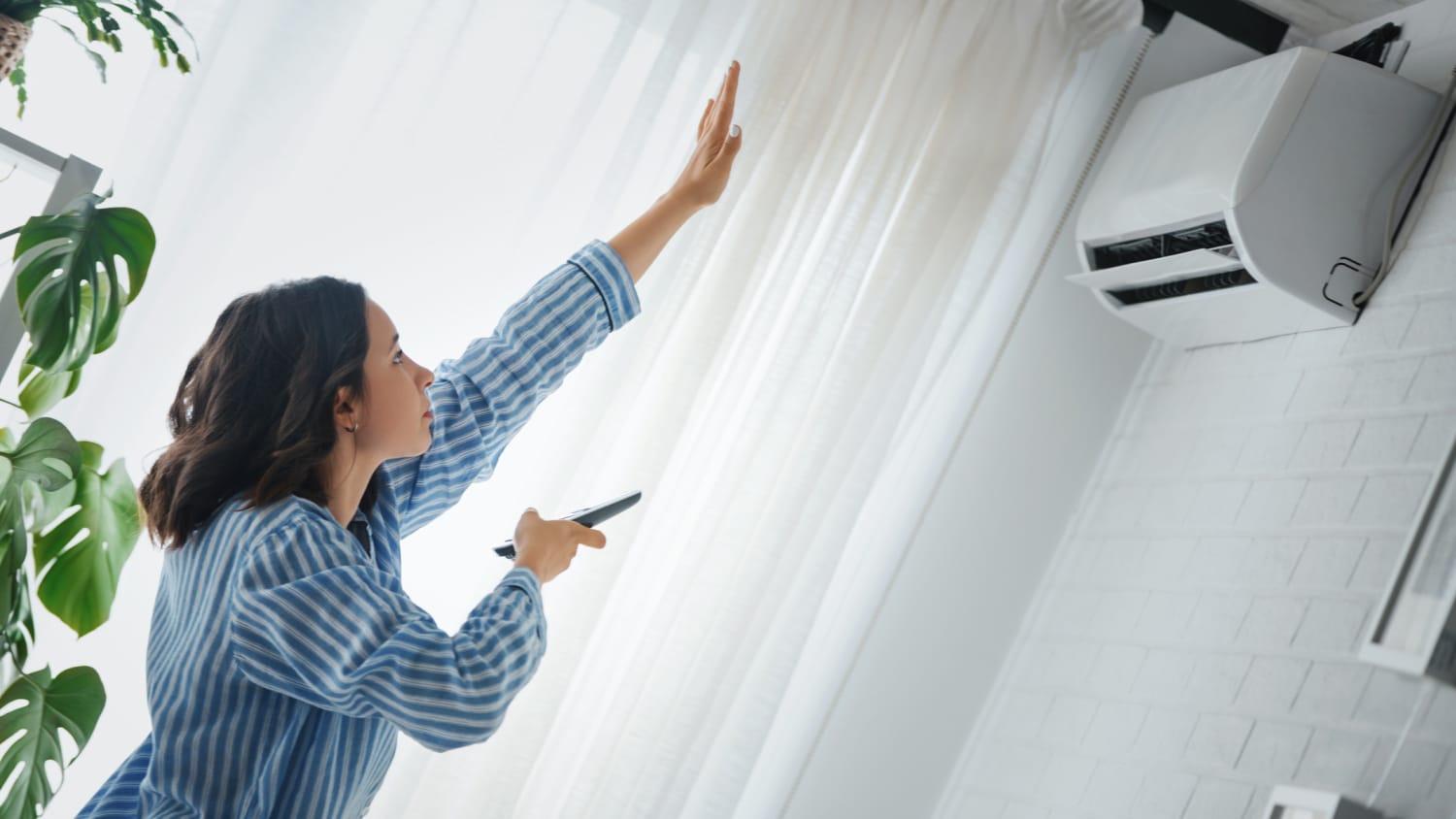
If you notice a sharp, chemical-like smell coming from your air conditioner, it’s not something to ignore. Many homeowners search “why does my AC smell like chemicals?” as soon as the odor spreads through their home—often worried about safety and indoor air quality.
Chemical smells from an AC system can indicate electrical issues, refrigerant problems, or component failure. Understanding the cause helps homeowners act quickly and avoid serious damage or health risks.
Unlike musty or dusty odors, chemical smells often signal overheating components, electrical issues, or refrigerant-related problems. These odors can affect indoor air quality and, in some cases, pose safety concerns.
Any strong or persistent chemical smell should be addressed promptly.
One of the most common causes of chemical smells is overheating electrical components. Wires, insulation, or circuit boards can emit sharp or plastic-like odors when they overheat.
Electrical overheating may be caused by:
Electrical issues should always be inspected by a professional.
Refrigerant is typically odorless, but leaks can cause chemical-like smells due to reactions with other materials or components. Refrigerant issues reduce cooling efficiency and place added strain on the system.
Signs of refrigerant problems include:
Refrigerant issues require professional AC repair and should never be handled as DIY fixes.
If internal components overheat, plastic housings or insulation may begin to melt, producing a chemical or burning smell. This can occur when airflow is restricted or electrical components are failing.
Melting components can lead to permanent system damage if not addressed quickly.
When coils are covered in dirt and debris, heat cannot dissipate properly. This causes the system to run hotter than intended, sometimes producing sharp or chemical-like odors.
Routine HVAC maintenance helps prevent coil-related overheating issues.
In some cases, chemical smells may occur shortly after a new installation or recent repair. New materials, sealants, or components may emit temporary odors as they heat up for the first time.
These smells should fade quickly. If they persist, professional inspection is recommended.
Ignoring chemical smells can lead to:
Chemical odors are often early warning signs of serious system issues.
If your AC smells like chemicals:
Quick action helps prevent further damage and protects your home.
Routine HVAC maintenance helps reduce odor-related problems by:
Homeowners who schedule regular maintenance experience fewer safety-related issues.
You should schedule professional AC repair if:
A trained technician can diagnose the issue safely and recommend the correct solution.
Chemical odors often involve electrical or refrigerant systems that require expert handling. Professional AC repair ensures the root cause is fixed safely and correctly.
TX Air Mechanics provides honest AC repair and HVAC diagnostics designed to protect your comfort, safety, and system performance—without unnecessary upselling.

If your AC smells like chemicals, TX Air Mechanics can help identify the cause and restore safe, reliable operation in your home. Scheduling professional AC repair or requesting a free second opinion with TX Air Mechanics ensures your system is evaluated thoroughly and fixed the right way.