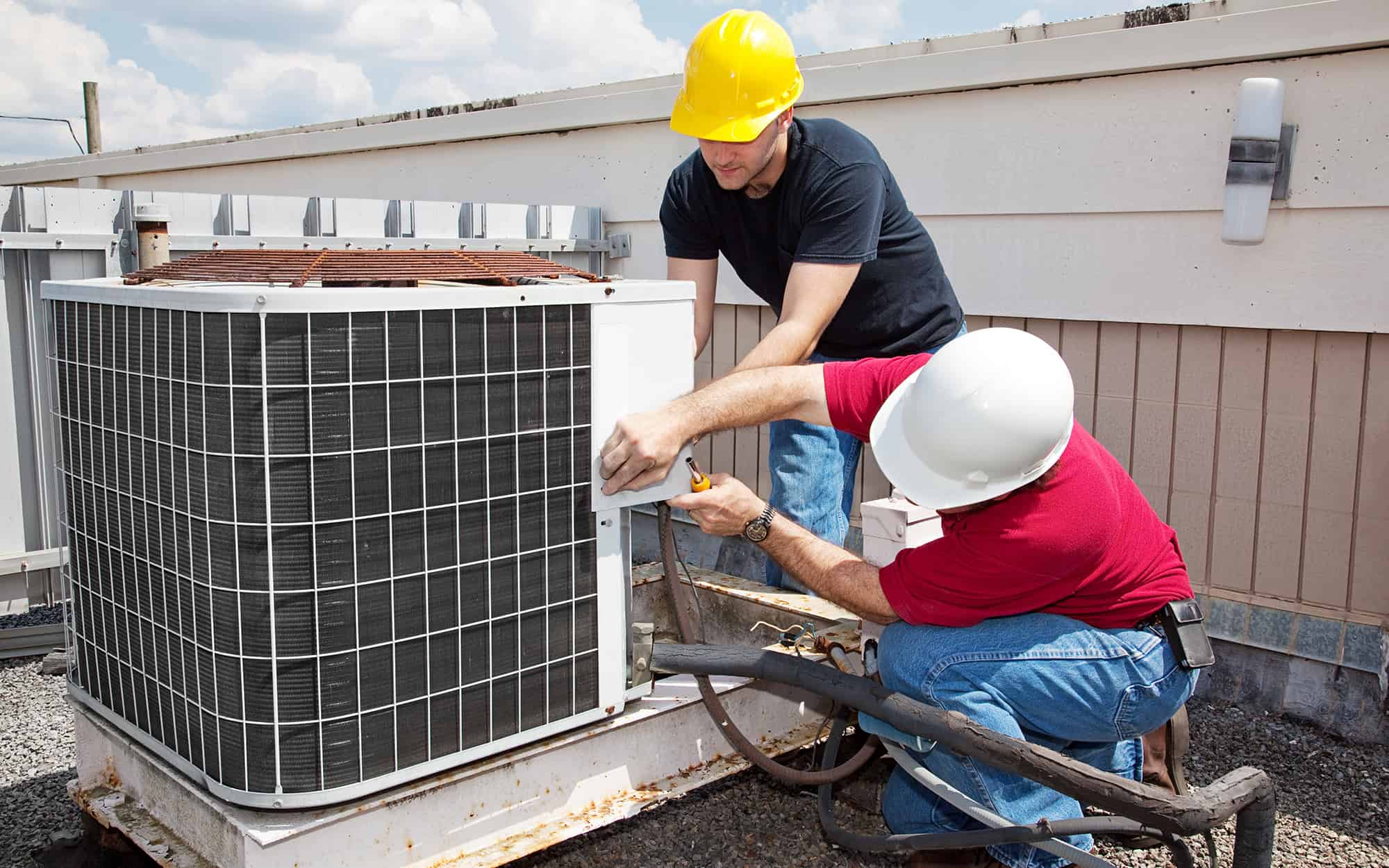
Unusual smells coming from your HVAC system are often the first sign that something isn’t right. Many homeowners search phrases like “HVAC smells weird”, “AC smells bad”, or “heater smell coming from vents” when unfamiliar odors appear during operation.
Different HVAC smells point to different problems—some minor, others serious. Knowing what each odor may indicate helps homeowners respond correctly and protect both comfort and safety.
Your HVAC system circulates air throughout your entire home. When an odor appears, it often means something inside the system is overheating, leaking, dirty, or malfunctioning.
Odors are warning signs—ignoring them can lead to bigger problems.
A musty smell usually indicates moisture buildup inside the system. Common causes include:
Moisture problems can affect indoor air quality and comfort.
Burning smells—especially those resembling plastic or wiring—often point to electrical issues. Possible causes include:
Electrical odors should always be taken seriously.
A sulfur or rotten egg odor may indicate a gas-related issue. While HVAC systems themselves don’t produce this smell, gas leaks near furnaces or gas lines can create it.
Any sulfur smell requires immediate professional attention.
This odor is commonly associated with bacterial buildup on evaporator coils. When moisture and bacteria mix, unpleasant smells can circulate through the vents.
Routine HVAC cleaning helps prevent this issue.
A sweet or chemical odor may indicate a refrigerant leak. Refrigerant exposure can affect system performance and indoor air quality.
Refrigerant issues always require professional HVAC service.
At the start of the heating season, dust accumulated on heating components may burn off briefly. This smell should:
Persistent dust smells may indicate airflow or maintenance issues.
If your HVAC smells like sewage, the issue may not be the system itself but nearby plumbing or drain problems. Ductwork can pull in odors from wall cavities or crawl spaces.
Professional inspection helps identify the source.
Ignoring strange smells can lead to:
Odors rarely resolve on their own.
If you notice unusual HVAC smells:
Early diagnosis helps prevent damage.
Routine HVAC maintenance includes cleaning coils, clearing drain lines, inspecting electrical components, and checking airflow. Maintenance reduces moisture buildup and keeps internal components clean.
Well-maintained systems produce cleaner air.
You should schedule HVAC service if:
Professional diagnostics ensure safe, accurate solutions.
TX Air Mechanics provides honest HVAC diagnostics designed to identify odor-related issues quickly and safely. Our team focuses on system health, indoor air quality, and long-term comfort.

If you’re noticing strange smells coming from your HVAC system, TX Air Mechanics can help identify the cause and restore clean, safe airflow. Scheduling professional HVAC service or requesting a free second opinion with TX Air Mechanics ensures your system is evaluated thoroughly and handled the right way.