It’s one of the most common comfort complaints homeowners have—your downstairs feels cool, but the upstairs stays warm no matter how long the air conditioner runs. Many people search “upstairs hotter than downstairs” or “AC not cooling upstairs” when temperature differences make parts of the home uncomfortable.
This problem is usually caused by airflow imbalance, ductwork issues, heat buildup, or system design limitations. Understanding the most common reasons helps homeowners improve comfort without overworking their HVAC system.
Heat naturally rises. This means upstairs areas collect warm air faster than lower levels, especially in two-story homes. Without proper airflow and system balance, cooling upstairs becomes a challenge.
HVAC systems must work harder to push cool air upward.
Many HVAC systems struggle to deliver enough airflow upstairs. Long duct runs, sharp turns, or undersized ducts limit how much cool air reaches upper rooms.
Airflow imbalance is the most common cause.
Duct leaks in attics or walls allow cooled air to escape before reaching upstairs vents. This results in weak airflow and warmer temperatures.
Duct leaks often go unnoticed for years.
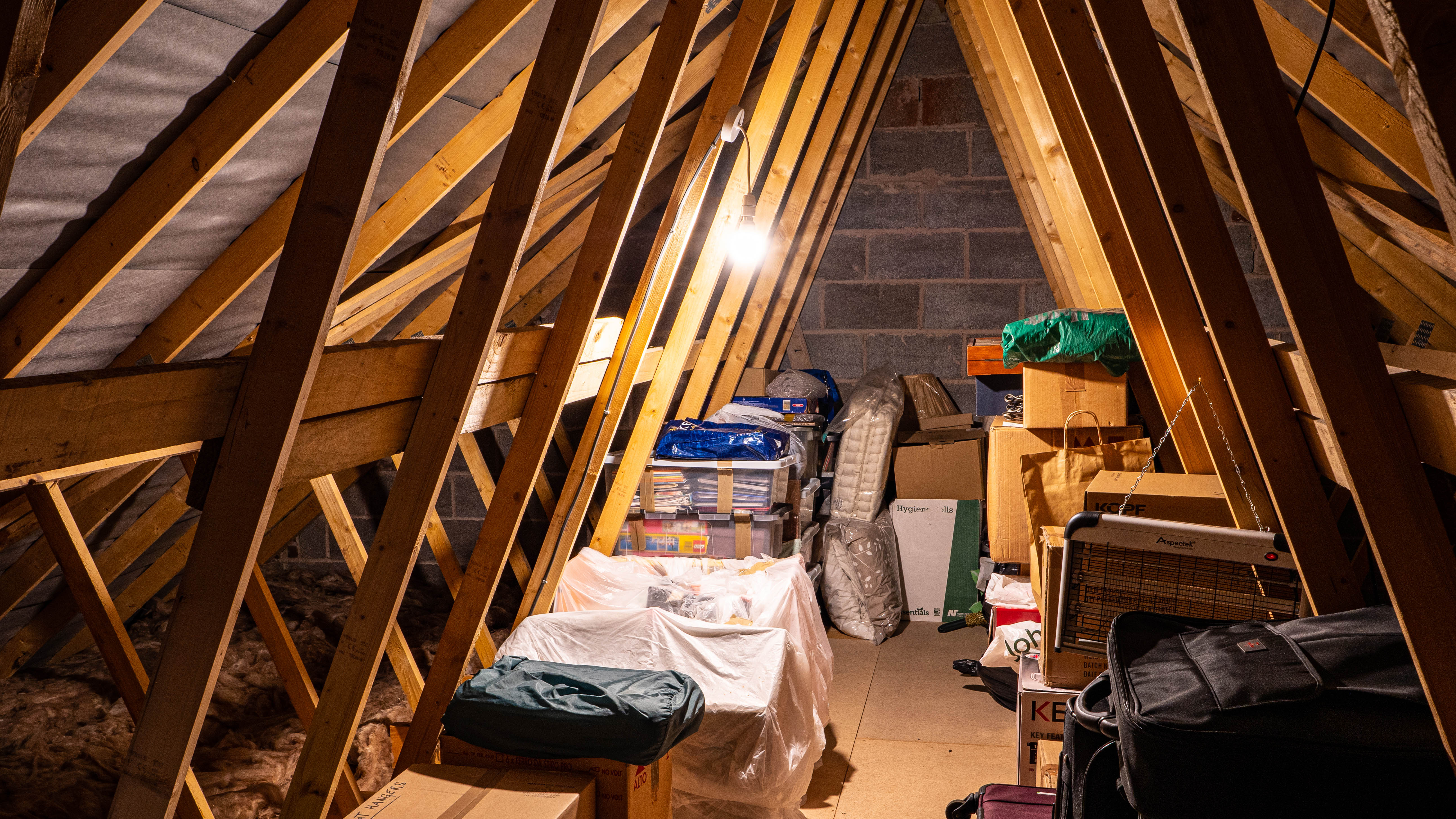
Heat from the attic radiates downward into upstairs rooms. Without proper insulation, your AC has to fight constant heat gain.
Insulation plays a huge role in upstairs comfort.
Furniture, rugs, or closed registers upstairs reduce airflow even further. Blocking vents makes it harder for cool air to circulate.
All vents should remain open and unobstructed.
Homes with one thermostat often struggle with uneven temperatures. The thermostat may reach the set temperature downstairs and shut the system off before upstairs rooms cool.
Thermostat location affects the entire home.
Upstairs rooms often have more sun exposure, especially in the afternoon. Large windows without proper coverings can significantly increase heat gain.
Sunlight adds to cooling demand.
If the HVAC system isn’t properly sized for a multi-story home, it may struggle to cool upper levels effectively—especially during peak summer heat.
System design matters more than homeowners realize.
Ignoring this issue can lead to:
The system works harder without delivering better results.
If your upstairs stays hot:
Small adjustments can sometimes improve airflow quickly.
Routine HVAC maintenance includes airflow testing, duct inspections, and system performance checks. Maintenance helps ensure air is distributed more evenly throughout the home.
Balanced systems cool more consistently.
You should schedule HVAC service if:
Professional diagnostics identify airflow and design issues accurately.
TX Air Mechanics provides honest HVAC evaluations focused on restoring balanced comfort throughout the home. Our team looks at airflow, ductwork, insulation, and system performance to deliver long-term solutions—not temporary fixes.

If your upstairs rooms stay hot even when the AC is running, TX Air Mechanics can help identify the cause and restore balanced comfort. Scheduling professional HVAC service or requesting a free second opinion with TX Air Mechanics ensures your system is evaluated thoroughly and optimized for even, reliable cooling.