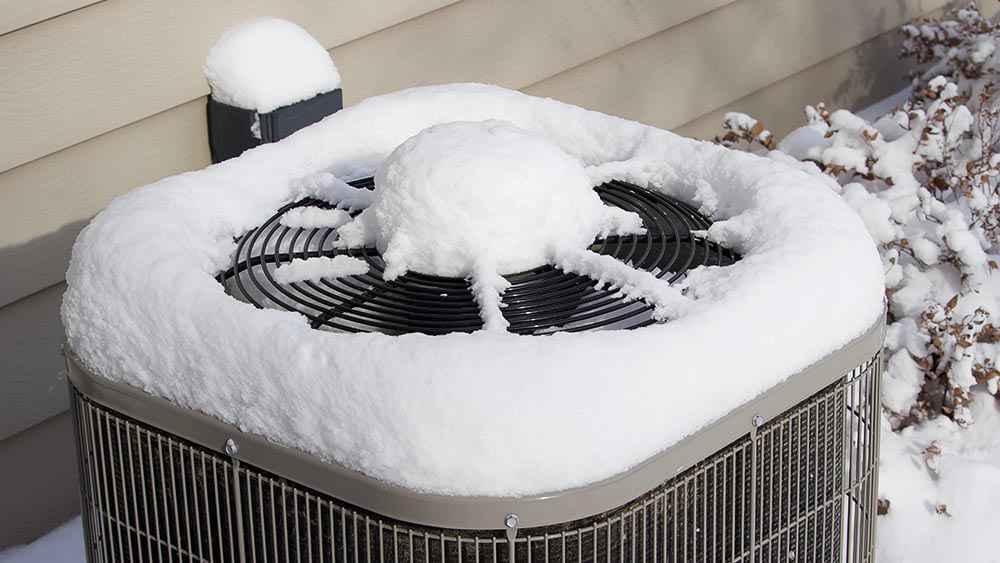
Seeing ice on your outdoor air conditioning unit can be alarming—especially during hot weather. Many homeowners search “AC freezing up outside” or “ice on outdoor AC unit” when cooling suddenly stops or airflow weakens.
Ice formation on the outdoor unit is never normal and usually indicates airflow restrictions, refrigerant problems, or system strain. Understanding the most common causes helps homeowners act quickly and avoid serious damage.
Air conditioners rely on proper airflow and refrigerant pressure to absorb heat. When airflow drops or refrigerant levels are off, temperatures inside the system fall too low—causing moisture to freeze.
Once ice forms, cooling efficiency drops rapidly.
Restricted airflow is one of the most common causes of AC freeze-ups. Dirty filters limit warm air from passing over the coil, allowing temperatures to drop below freezing.
Regular filter replacement helps prevent ice buildup.
Low refrigerant pressure allows the system to operate at much colder temperatures, causing ice to form on coils and refrigerant lines.
Refrigerant issues always require professional HVAC service.
Closed or blocked vents reduce airflow throughout the system. Poor airflow increases the risk of freezing—especially during extended runtime.
All vents should remain open during cooling season.
Dust and debris on the evaporator coil prevent proper heat absorption. Without enough heat transfer, moisture freezes on the coil surface.
Coil cleaning restores proper operation.
If the blower motor isn’t moving enough air, temperatures drop inside the system, leading to ice formation.
Blower issues often worsen quickly if ignored.
Setting the thermostat extremely low can cause nonstop operation. Prolonged runtime increases freezing risk—especially if other issues exist.
Lower temperatures don’t fix airflow problems.
Systems that haven’t been serviced regularly are more likely to freeze due to accumulated airflow and efficiency issues.
Maintenance plays a major role in freeze prevention.
Ignoring ice on the outdoor unit can lead to:
Frozen systems should never be forced to run.
If your outdoor AC unit freezes:
Restarting too soon can cause damage.
Routine HVAC maintenance includes airflow testing, refrigerant checks, coil cleaning, and system inspections. Maintenance helps keep internal temperatures balanced and prevents ice formation.
Maintained systems freeze far less often.
You should schedule service if:
Professional diagnostics identify the root cause safely.
TX Air Mechanics provides honest HVAC diagnostics focused on resolving freeze-ups and restoring proper cooling. Our team prioritizes airflow balance, refrigerant accuracy, and long-term system health.

If your outdoor AC unit is freezing up, TX Air Mechanics can help identify the cause and prevent costly damage. Scheduling professional HVAC service or requesting a free second opinion with TX Air Mechanics ensures your system is evaluated thoroughly and repaired the right way.