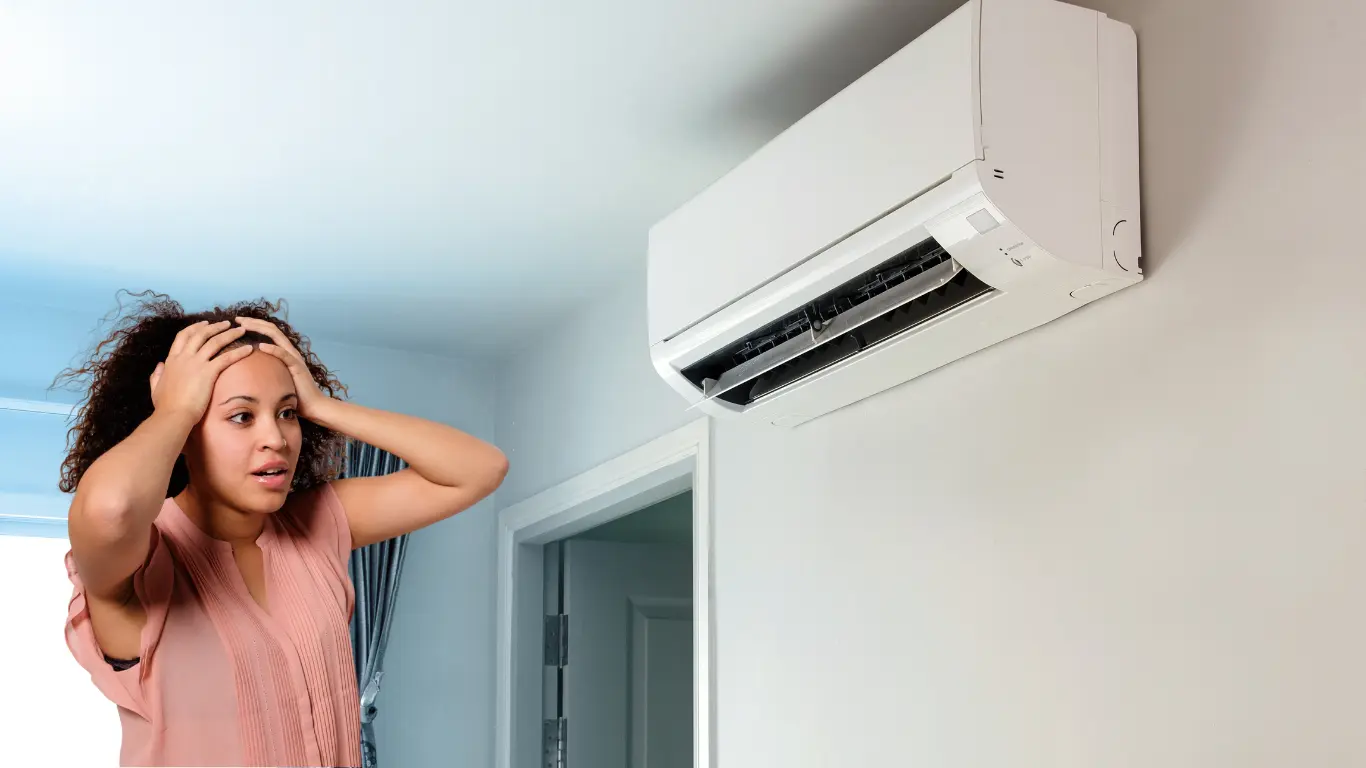
If your energy bills keep rising without a clear reason, your HVAC system may be the cause. Many homeowners begin searching “what causes high HVAC energy bills” when their monthly costs suddenly spike—even though their usage hasn’t changed.
Understanding why HVAC systems become inefficient can help homeowners take action early, reduce costs, and avoid expensive repairs down the road.
One of the most common causes of high HVAC energy bills is dirty air filters. When airflow is restricted, your system has to work harder to heat or cool your home.
Clogged filters can lead to:
Replacing filters regularly is one of the easiest ways to lower HVAC energy bills.
HVAC systems that don’t receive regular maintenance lose efficiency over time. Dust buildup, worn parts, and minor issues reduce performance and increase energy consumption.
Routine HVAC maintenance helps:
Homeowners who skip maintenance often see higher energy bills as a result.
Older HVAC systems typically operate at lower efficiency levels compared to newer equipment. Even with repairs, aging systems may struggle to meet demand without using excessive energy.
If your system is more than 10–15 years old, rising HVAC energy bills may signal declining performance.
Leaky, blocked, or poorly designed ductwork causes conditioned air to escape before reaching living spaces. This forces your HVAC system to run longer to maintain temperature.
Duct issues are a common but often overlooked cause of high HVAC energy bills.
Malfunctioning or improperly programmed thermostats can cause systems to run longer than necessary. Incorrect settings, calibration issues, or outdated thermostats reduce efficiency.
Professional HVAC service ensures your thermostat communicates properly with your system.
Low refrigerant levels or leaks reduce your AC’s ability to cool efficiently. When refrigerant is low, the system runs longer cycles, increasing energy usage.
Refrigerant problems always require professional HVAC repair.
Even if your HVAC system is functioning properly, poor insulation and air leaks allow conditioned air to escape. This causes your system to work harder to maintain indoor comfort.
Addressing insulation and sealing leaks helps reduce HVAC energy bills.
Ignoring rising energy bills often leads to:
High energy bills are often an early warning sign that HVAC service is needed.
Professional HVAC service helps improve efficiency by:
Homeowners who schedule routine service often see noticeable improvements in energy usage.
If your energy bills continue to rise, scheduling professional HVAC service sooner rather than later can help prevent further inefficiency and system damage.
TX Air Mechanics provides honest HVAC service designed to diagnose energy-wasting issues and restore efficient operation—without unnecessary repairs.

If your HVAC energy bills keep increasing, professional HVAC service can help identify the cause and improve efficiency. Scheduling service or requesting a free second opinion helps protect your comfort and lower long-term energy costs.