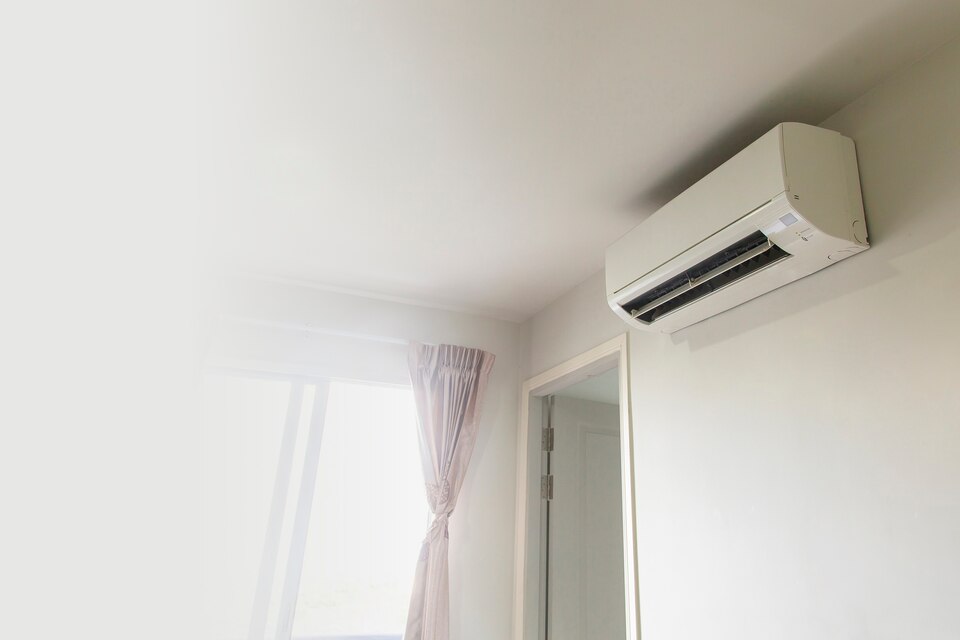
A high-pitched whistling noise coming from your air conditioner can be annoying—and concerning. Many homeowners search “AC whistling noise” or “air conditioner whistling sound” when they hear a sharp airflow noise coming from vents or the HVAC unit itself.
Whistling is almost always related to airflow restriction or pressure imbalance. While it may start as a minor noise, it often points to issues that can affect comfort, efficiency, and system lifespan if ignored.
Air conditioners rely on balanced airflow. When air is forced through tight spaces, restrictions, or leaks, it creates a whistling sound similar to air escaping through a narrow opening.
Whistling is a pressure-related warning sign.
A clogged air filter restricts airflow, forcing air through smaller openings at higher speeds—creating a whistling sound.
Filter replacement often reduces noise immediately.
Closing vents increases air pressure in the duct system. That excess pressure can cause air to whistle through remaining open vents.
Closing vents usually makes airflow noise worse.
Ducts that are too small or have gaps force air to squeeze through tight areas, producing a high-pitched whistle.
Duct issues are common in older homes.
Vent covers that aren’t secured properly can whistle as air passes through small gaps.
Vent hardware problems are easy to overlook.
When airflow is restricted anywhere in the system, static pressure builds and forces air through unintended openings.
High static pressure strains HVAC components.
If the blower motor speed is set too high, airflow may be stronger than the ductwork can handle—resulting in whistling.
Blower adjustments require professional evaluation.
New systems often move more air than older ones. If ductwork wasn’t upgraded, whistling may occur.
System upgrades should include airflow balancing.
Ignoring whistling sounds can lead to:
Airflow noise often worsens over time.
If your AC is whistling:
Airflow balance is key to quiet operation.
Routine HVAC maintenance includes airflow testing, static pressure measurement, blower adjustment, and duct inspection. Maintenance helps air move evenly and quietly throughout the home.
Balanced systems operate more comfortably and quietly.
You should schedule HVAC service if:
Professional diagnostics identify airflow restrictions accurately.
TX Air Mechanics provides honest HVAC evaluations focused on airflow balance and noise reduction. Our team identifies why whistling occurs and delivers solutions that improve comfort and system performance.

If your air conditioner is making a whistling noise, TX Air Mechanics can help identify the cause and restore quiet, balanced airflow. Scheduling professional HVAC service or requesting a free second opinion with TX Air Mechanics ensures your system is evaluated thoroughly and optimized for long-term comfort.