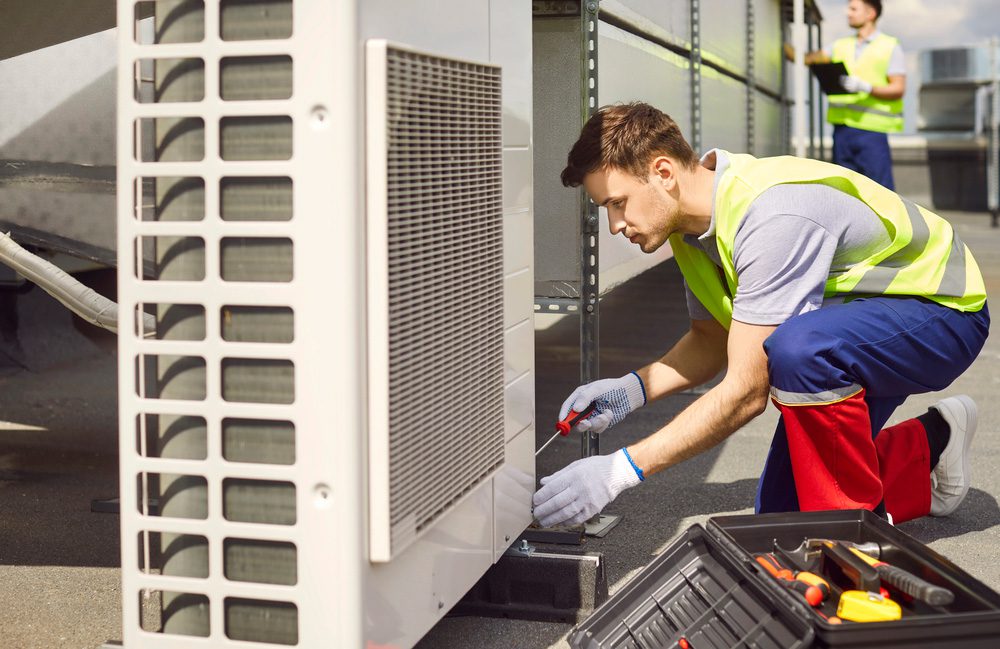
Your HVAC system usually gives warning signs before it completely fails. Unfortunately, many homeowners ignore these early indicators until the system stops working—often during extreme Texas heat or cold. That’s why searches like “signs my HVAC system needs repair” are so common among homeowners.
Knowing what to watch for can help you schedule HVAC repair early, avoid emergency breakdowns, and protect your comfort year-round.
Your HVAC system should operate quietly. Grinding, banging, rattling, or squealing noises often indicate loose parts, motor issues, or mechanical wear.
These sounds are one of the clearest signs your HVAC system needs repair. Ignoring them can lead to further damage and higher repair costs.
If airflow from your vents feels weak or uneven, your system may be struggling with clogged filters, duct issues, or failing components.
Poor airflow reduces comfort and forces your HVAC system to work harder, increasing the likelihood of breakdowns without timely HVAC repair.
When some rooms feel too hot while others stay cold, your HVAC system may not be distributing air properly. This can be caused by airflow issues, failing equipment, or duct problems.
Uneven temperatures are a common reason homeowners search for HVAC repair services.
A sudden spike in energy bills without increased usage often signals inefficiency. When your HVAC system needs repair, it works harder to maintain temperature, using more energy in the process.
Addressing HVAC repair early helps restore efficiency and control monthly energy costs.
If your HVAC system turns on and off frequently—or runs nonstop—it may be struggling to maintain temperature due to mechanical or electrical issues.
Frequent cycling increases wear on system components and is a strong indicator that HVAC repair is needed.
Burning smells, musty odors, or chemical-like smells coming from vents should never be ignored. These can indicate electrical issues, mold growth, or overheating components.
Odors are often an early warning sign that professional HVAC repair should be scheduled promptly.
Excessive dust, allergy symptoms, or stale air can indicate HVAC problems affecting filtration and airflow. When your system isn’t functioning properly, indoor air quality often suffers.
HVAC repair helps restore proper circulation and supports healthier indoor air.
If your HVAC system is more than 10–15 years old and requires frequent repairs, it may be nearing the end of its lifespan. While HVAC repair can address individual issues, repeated problems may signal larger concerns.
A professional evaluation helps determine the best path forward.
Ignoring warning signs can lead to:
Scheduling HVAC repair early helps protect both your system and your home.
Routine HVAC maintenance helps identify small problems before they escalate. Maintenance services include:
Homeowners who schedule regular maintenance experience fewer HVAC repair needs over time.
If you notice any of the signs above, it’s best to schedule professional service sooner rather than later. Waiting can allow small issues to turn into major system failures.
TX Air Mechanics provides honest HVAC repair services focused on accurate diagnostics and long-term solutions—without unnecessary upselling.

If your HVAC system is showing signs of trouble, professional HVAC repair can help restore performance and prevent unexpected breakdowns. Scheduling service or requesting a free second opinion ensures your system gets the attention it needs before problems worsen.