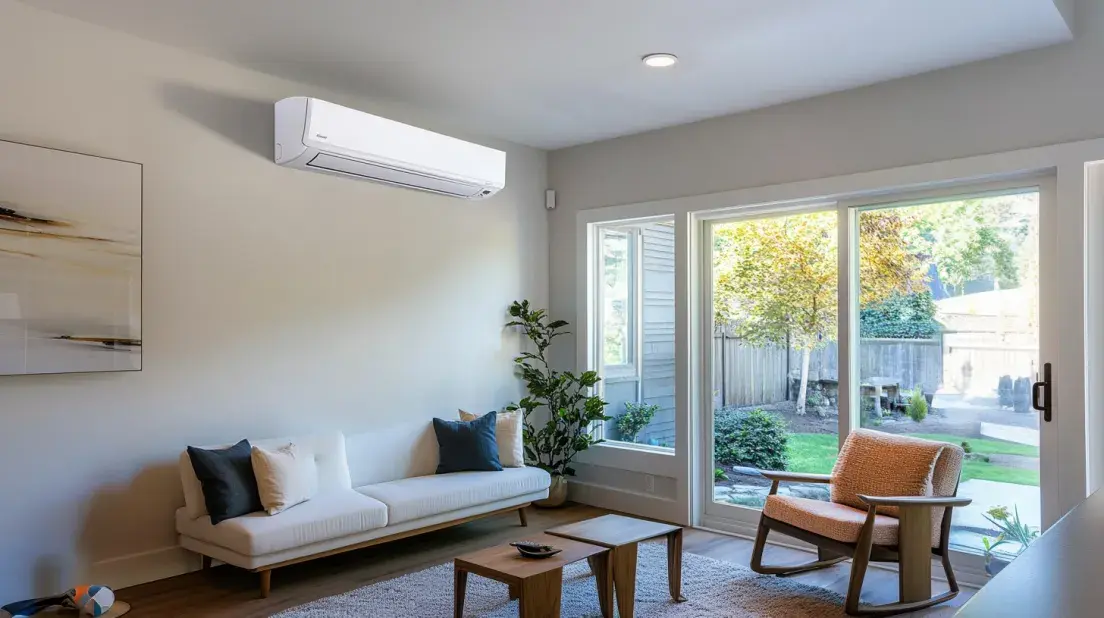
Many homeowners wonder how often HVAC service is actually necessary. Some wait until their system breaks down, while others schedule service regularly but aren’t sure if they’re doing too much—or too little. Understanding how often HVAC systems should be serviced helps protect your comfort, lower energy costs, and prevent unexpected repairs.
If you’ve ever searched “how often should HVAC be serviced?”, this guide breaks down recommended schedules, why routine service matters, and how proper HVAC maintenance benefits homeowners year-round.
Your HVAC system works hard throughout the year to keep your home comfortable. Without routine HVAC service, components wear out faster, efficiency drops, and small problems turn into expensive repairs.
Regular HVAC maintenance helps:
Homeowners who stay on a routine HVAC service schedule experience fewer emergencies and lower long-term costs.
Most HVAC professionals recommend servicing your system twice per year:
This schedule allows technicians to prepare your system for peak demand and catch problems early.
For homeowners searching how often HVAC should be serviced, twice-yearly maintenance is the most widely recommended standard.
During a professional HVAC service visit, technicians perform a detailed system inspection and tune-up. This typically includes:
Routine HVAC maintenance ensures your system operates safely and efficiently throughout the year.
Yes — how often HVAC systems should be serviced can vary depending on usage, age, and system type.
However, for most homeowners, twice-yearly HVAC service provides the best balance of protection and performance.
Even if you’re following a routine schedule, some warning signs indicate your system needs attention sooner:
If you notice these issues, scheduling HVAC service promptly can help prevent major repairs.
Skipping HVAC service often leads to:
Many emergency AC and heating repairs stem from a lack of routine HVAC maintenance.
HVAC service focuses on prevention, while HVAC repair addresses existing problems. Homeowners who invest in routine service typically require fewer repairs over time.
Regular HVAC maintenance helps:
This is why many homeowners choose ongoing HVAC maintenance plans instead of waiting for breakdowns.
HVAC maintenance plans simplify routine service by scheduling visits automatically. These plans help homeowners:
Homeowners searching how often HVAC should be serviced often find maintenance plans provide convenience and long-term savings.

If you’re unsure whether your HVAC system has been serviced recently, scheduling professional HVAC service can help prevent breakdowns and improve efficiency. Booking your service or requesting a free second opinion gives you confidence your system is ready for the seasons ahead.