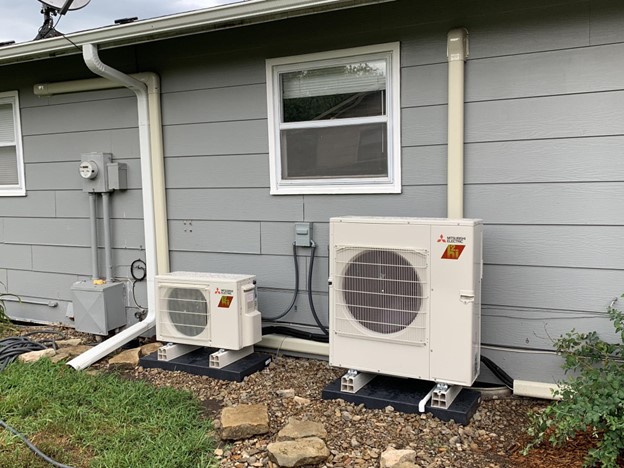
One of the most common questions homeowners ask is “how long does an HVAC system last?” Whether you’re planning ahead or dealing with frequent repairs, knowing the expected lifespan of your HVAC system helps you make smarter decisions about maintenance, repairs, and replacement.
While there’s no exact expiration date, understanding typical lifespan ranges and the factors that affect longevity can help homeowners avoid unexpected breakdowns and costly emergencies.
Most HVAC systems last between 12 to 20 years, depending on the type of system and how well it’s maintained.
General lifespan ranges include:
Proper maintenance plays a major role in reaching or exceeding these averages.
Several factors influence how long an HVAC system lasts, including usage patterns, maintenance history, and installation quality.
Systems that receive routine maintenance last significantly longer than neglected systems. Maintenance reduces wear, improves airflow, and prevents overheating.
Skipping maintenance often leads to premature failure.
Improper installation can shorten system lifespan dramatically. Poor airflow design, incorrect sizing, or faulty connections place constant stress on components.
Professional installation is critical for long-term reliability.
Homes in hot climates or those that rely heavily on heating and cooling year-round place more strain on HVAC systems. Higher usage leads to faster wear if maintenance is skipped.
Oversized or undersized HVAC systems experience frequent cycling or extended run times, both of which increase wear and reduce lifespan.
Proper system sizing helps ensure balanced operation.
Restricted airflow from dirty filters or leaky ductwork forces the system to work harder. Over time, this shortens component life and increases repair frequency.
Airflow issues are a common cause of early system failure.
You may need to consider replacement if:
These signs often indicate declining reliability.
Repair may make sense if the system is relatively new and the issue is minor. Replacement is often the better choice when repair costs increase or efficiency declines significantly.
A professional evaluation helps homeowners weigh their options.
Routine HVAC maintenance helps:
Well-maintained systems often last years longer than average.
Waiting until an HVAC system fails completely often limits options and increases stress. Planning ahead allows homeowners to:
Early planning leads to better outcomes.
TX Air Mechanics provides honest HVAC evaluations designed to help homeowners understand their system’s condition and lifespan. Our approach focuses on clear guidance—not pressure or unnecessary upgrades.

If you’re wondering how long your HVAC system will last, TX Air Mechanics can help evaluate its condition and plan the next steps. Scheduling a professional inspection or requesting a free second opinion with TX Air Mechanics ensures you’re prepared for repairs or replacement before problems arise.