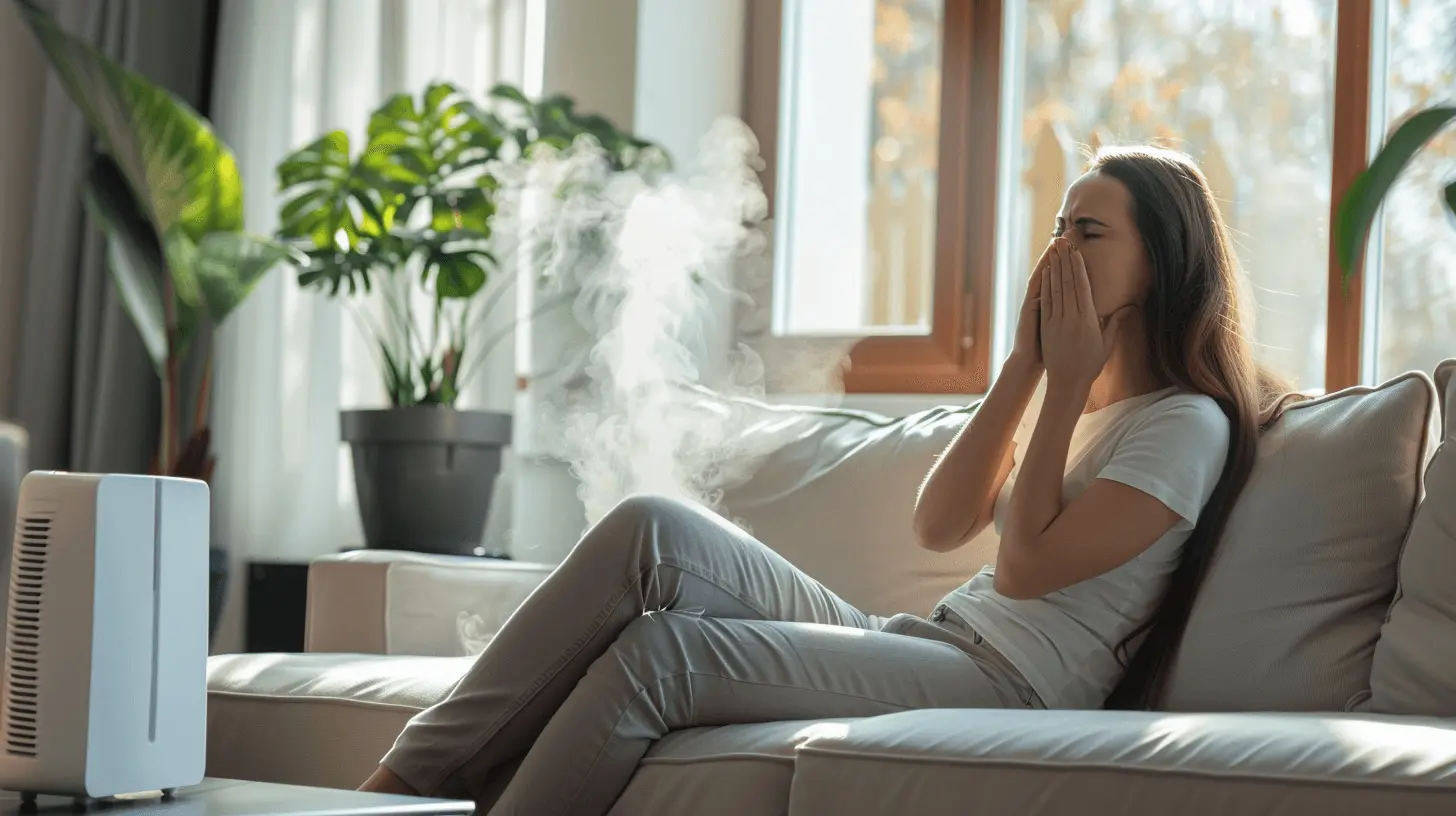
Many homeowners focus on temperature when it comes to comfort, but indoor air quality plays an equally important role. Dust, allergens, humidity, and airborne contaminants can all impact how your home feels—and how healthy it is. That’s why many homeowners search “how does indoor air quality affect my home?” when dealing with allergies, odors, or ongoing HVAC issues.
Understanding indoor air quality helps homeowners improve comfort, protect their HVAC system, and create a healthier living environment.
Indoor air quality (IAQ) refers to the cleanliness and health of the air inside your home. Poor indoor air quality can result from airborne pollutants, humidity imbalance, or inadequate ventilation.
Common indoor air contaminants include:
These pollutants circulate through your HVAC system and into your living spaces.
Poor indoor air quality can trigger or worsen health symptoms, especially for children, seniors, and those with respiratory conditions.
Health effects may include:
Improving indoor air quality helps create a healthier home environment.
Poor air quality doesn’t just affect health—it also impacts comfort. Excess dust, humidity issues, and stale air can make your home feel uncomfortable even when temperatures are set correctly.
Symptoms of poor indoor air quality include:
These issues often indicate the need for professional HVAC evaluation.
Your HVAC system circulates air throughout your home multiple times a day. If filters, ducts, or internal components are dirty, pollutants are redistributed instead of removed.
An inefficient HVAC system can:
Proper HVAC maintenance plays a major role in improving indoor air quality.
Air filters are your first line of defense against airborne contaminants. Dirty filters allow dust and allergens to pass through while restricting airflow.
Replacing filters regularly helps:
Filter neglect is one of the most common causes of poor indoor air quality.
Humidity imbalance is a major indoor air quality concern. Too much moisture encourages mold growth, while overly dry air causes discomfort and irritation.
Proper humidity control helps:
HVAC systems with humidity issues often require professional adjustment or indoor air quality solutions.
Professional indoor air quality solutions may include:
These services work together to remove contaminants and improve overall air quality.
Routine HVAC maintenance helps improve indoor air quality by:
Homes with regular HVAC service experience cleaner air and more consistent comfort.
You may need indoor air quality solutions if you notice:
These signs often indicate underlying HVAC or airflow issues.
Indoor air quality problems often have multiple causes. Professional evaluation ensures the right solution is applied—rather than temporary fixes.
TX Air Mechanics provides indoor air quality solutions designed to improve comfort, protect your HVAC system, and support healthier living spaces.

If you’re concerned about the air quality inside your home, TX Air Mechanics can help identify the issue and recommend effective indoor air quality solutions. Scheduling professional service or requesting a free second opinion with TX Air Mechanics ensures your home’s air stays clean, comfortable, and healthy year-round.