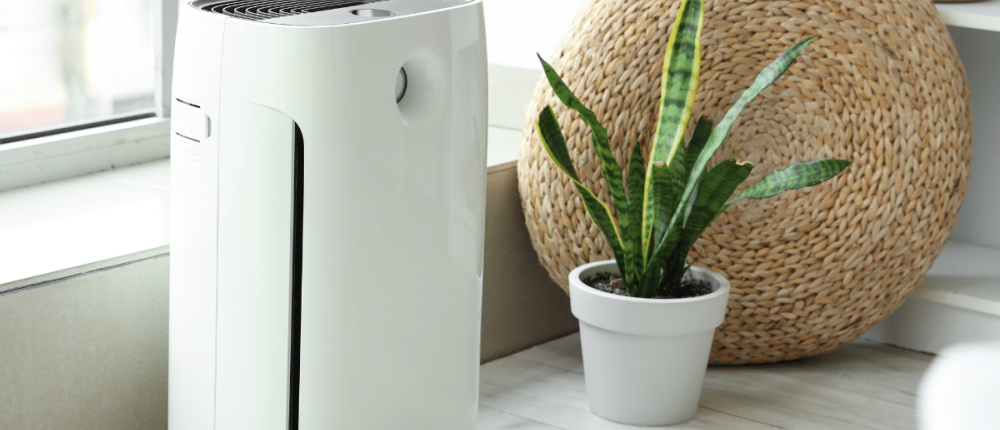
If allergy symptoms seem worse indoors than outdoors, your HVAC system may be part of the problem. Many homeowners search “can my HVAC system cause allergies?” when sneezing, congestion, or itchy eyes persist inside the home.
HVAC systems play a major role in indoor air quality. When not properly maintained, they can circulate allergens throughout the home instead of filtering them out. Understanding how HVAC systems affect allergies helps homeowners create a healthier living environment.
Your HVAC system continuously circulates air through your home. If allergens such as dust, pollen, pet dander, or mold are present, the system can spread them into every room.
A clean, well-maintained system helps reduce allergens rather than redistribute them.
Air filters are the first line of defense against airborne allergens. Dirty, clogged, or low-quality filters allow particles to pass through and circulate.
Replacing filters regularly helps:
Filter choice matters for allergy-sensitive households.
Over time, dust, allergens, and debris can build up inside ductwork. When the HVAC system runs, these particles are blown into living spaces.
Duct inspections help identify whether buildup or leaks are contributing to allergy symptoms.
Moisture buildup inside HVAC components can lead to mold or mildew growth. Mold spores are easily spread through vents and can significantly worsen allergies.
Musty odors often accompany mold-related issues.
Without routine HVAC maintenance, internal components collect dust and debris. As air passes over dirty components, allergens are released into the airflow.
Regular maintenance helps keep internal surfaces clean and dry.
Excess humidity creates an ideal environment for mold and dust mites—both common allergy triggers. HVAC systems that don’t control humidity effectively can worsen allergy symptoms.
Balanced humidity supports healthier indoor air.
Leaky ductwork can pull pollen, dust, and outdoor allergens into the system from attics or wall cavities. These allergens are then circulated throughout the home.
Sealing duct leaks helps prevent unwanted contaminants.
You may be experiencing HVAC-related allergy problems if:
These signs often point to indoor air quality issues.
Professional HVAC service may include:
These steps help reduce allergens at the source.
Indoor air quality solutions work alongside HVAC systems to capture airborne particles and control humidity. These solutions help create a cleaner, healthier environment for allergy-sensitive households.
Improved air quality supports better breathing and comfort.
You should schedule HVAC service if:
Professional evaluation helps identify contributing factors.

If allergies seem worse inside your home, TX Air Mechanics can help evaluate your HVAC system and improve indoor air quality. Scheduling professional HVAC service or requesting a free second opinion with TX Air Mechanics ensures your system supports a cleaner, healthier living space.